Le Parisien
Words by Angelina Feronti | Photos by Tori Beechum
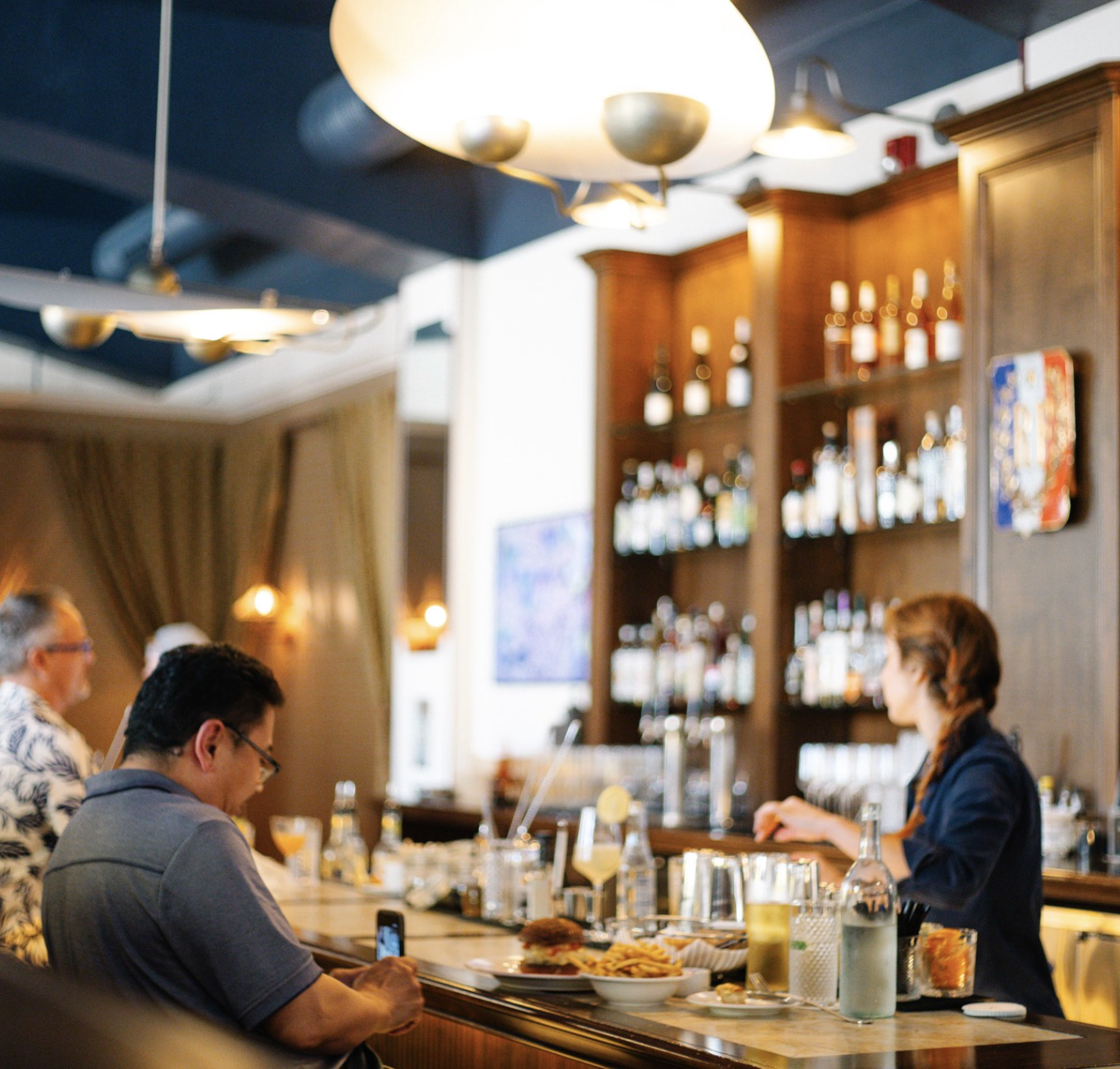
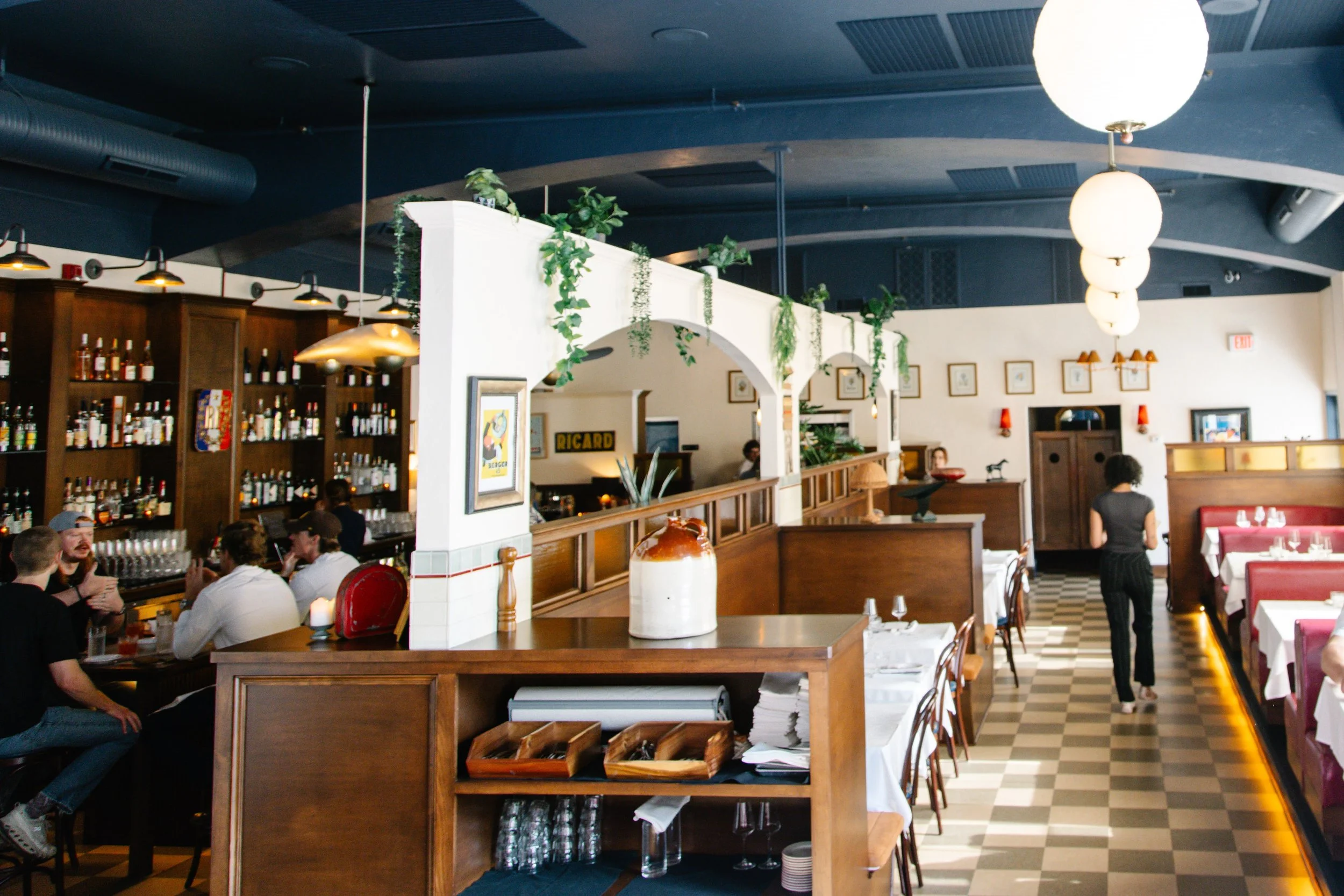
Step inside Le Parisien and be transported to a French bistro in Paris materialized from the mind of a Frenchman himself. Find burgundy red booths, crisp white table cloths, flickering oil lamps, oyster still-life paintings, and Marc Chagall prints hanging on the walls.
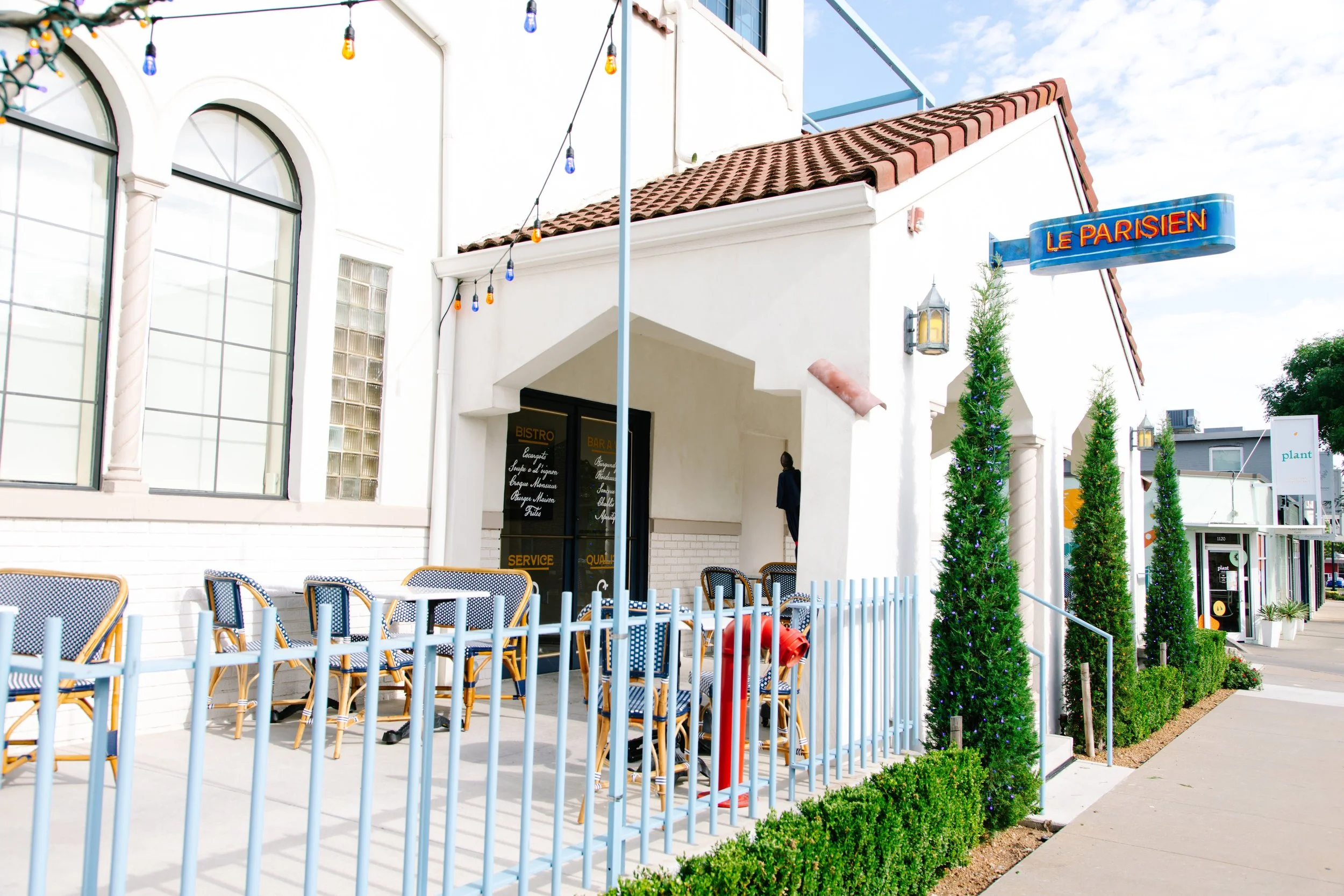
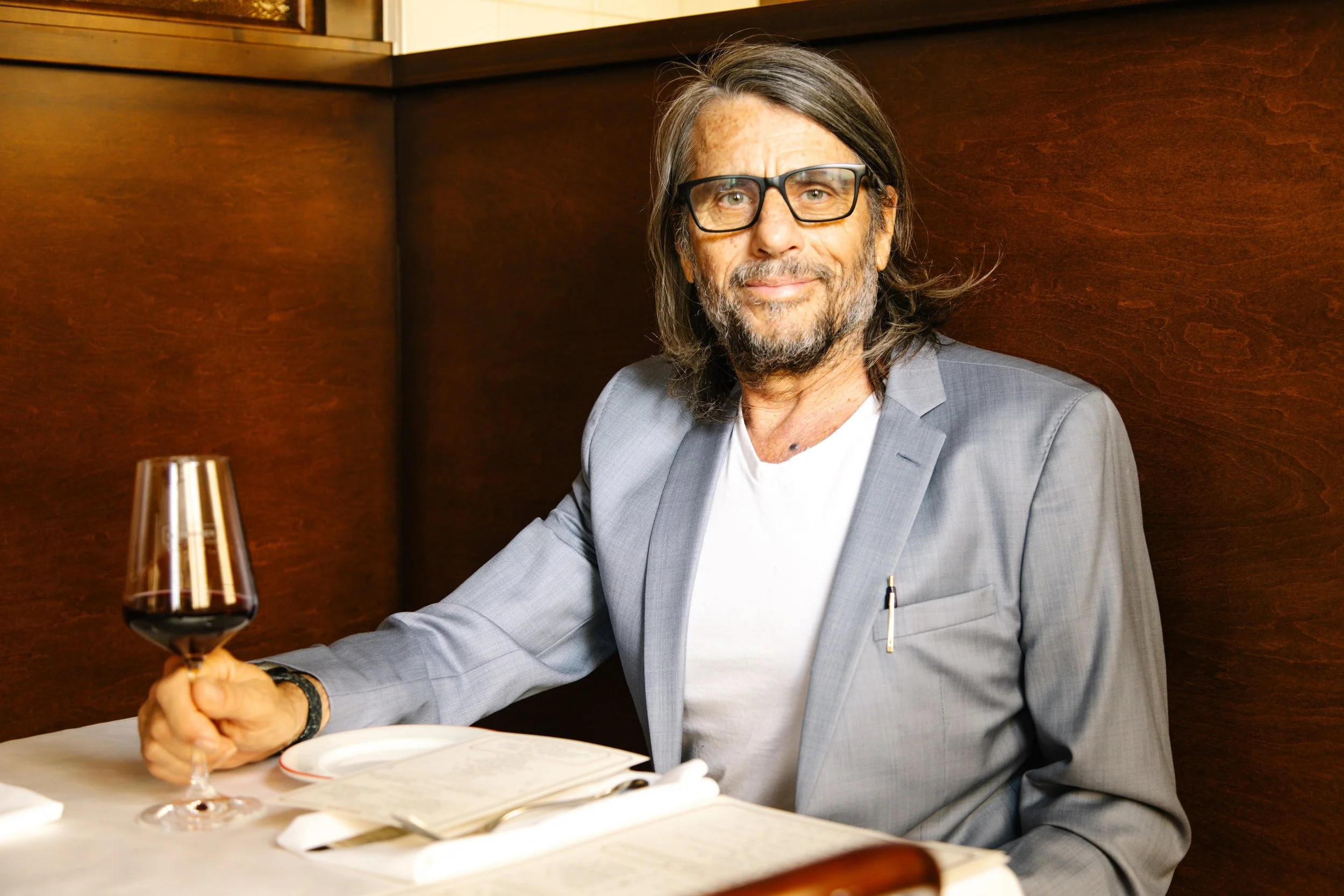
It is an inviting manifestation of co-owner Alain Jeu’s culinary journey from a birth and rural upbringing in Lyon, France, to the bustling restaurant scene of 1980s San Francisco, to iconic establishments in Los Angeles like the Chateau Marmont, and finally, in the winter of 2025—a few months after closing the doors to Oriel, a Michelin Bib Gourmand-lauded French wine bar and bistro he co-owned with Bar Arbolada owner and Oklahoma native, Dustin Lancaster, in Los Angeles’ Chinatown—to the corner of NW 11th and Walker in Midtown.
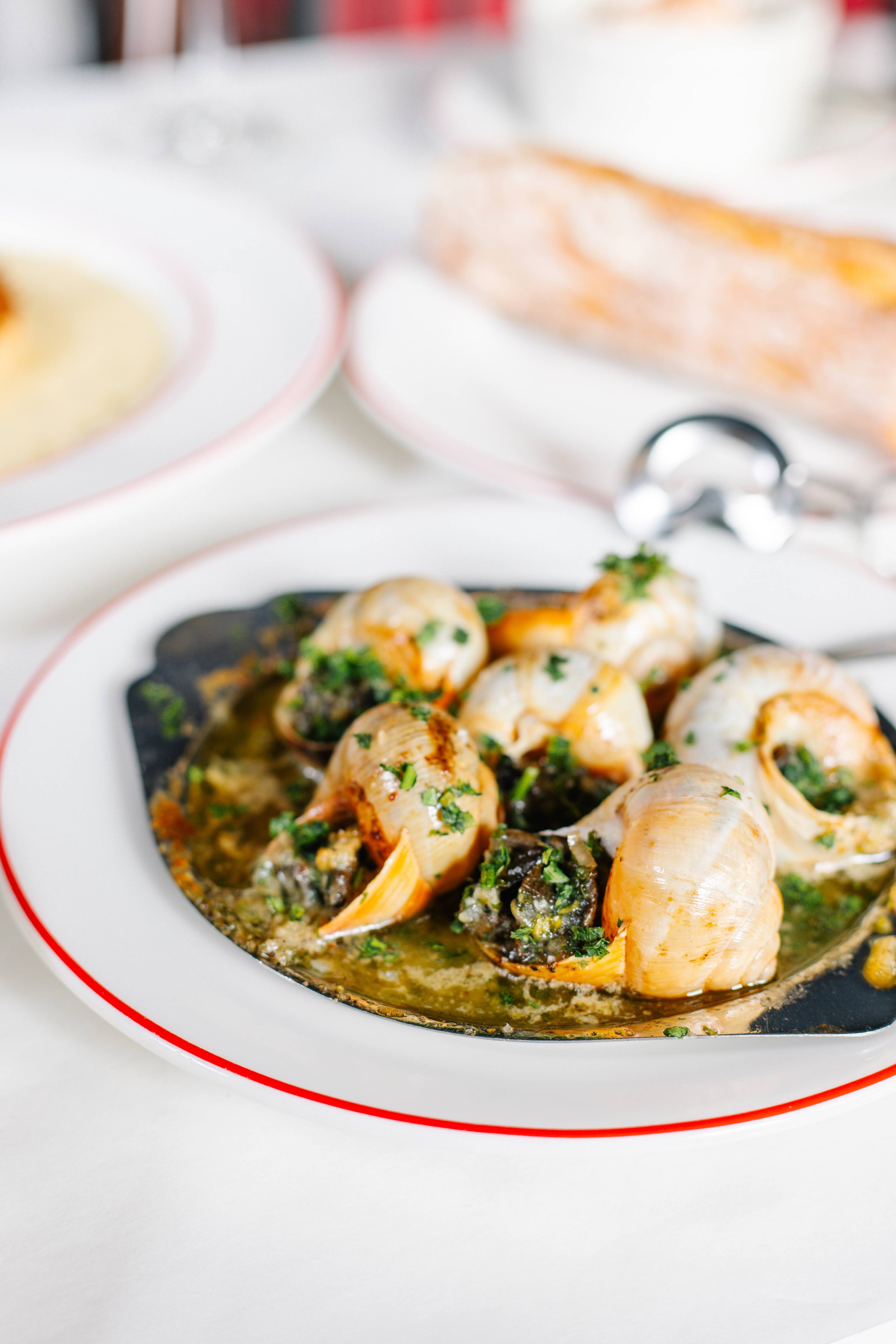
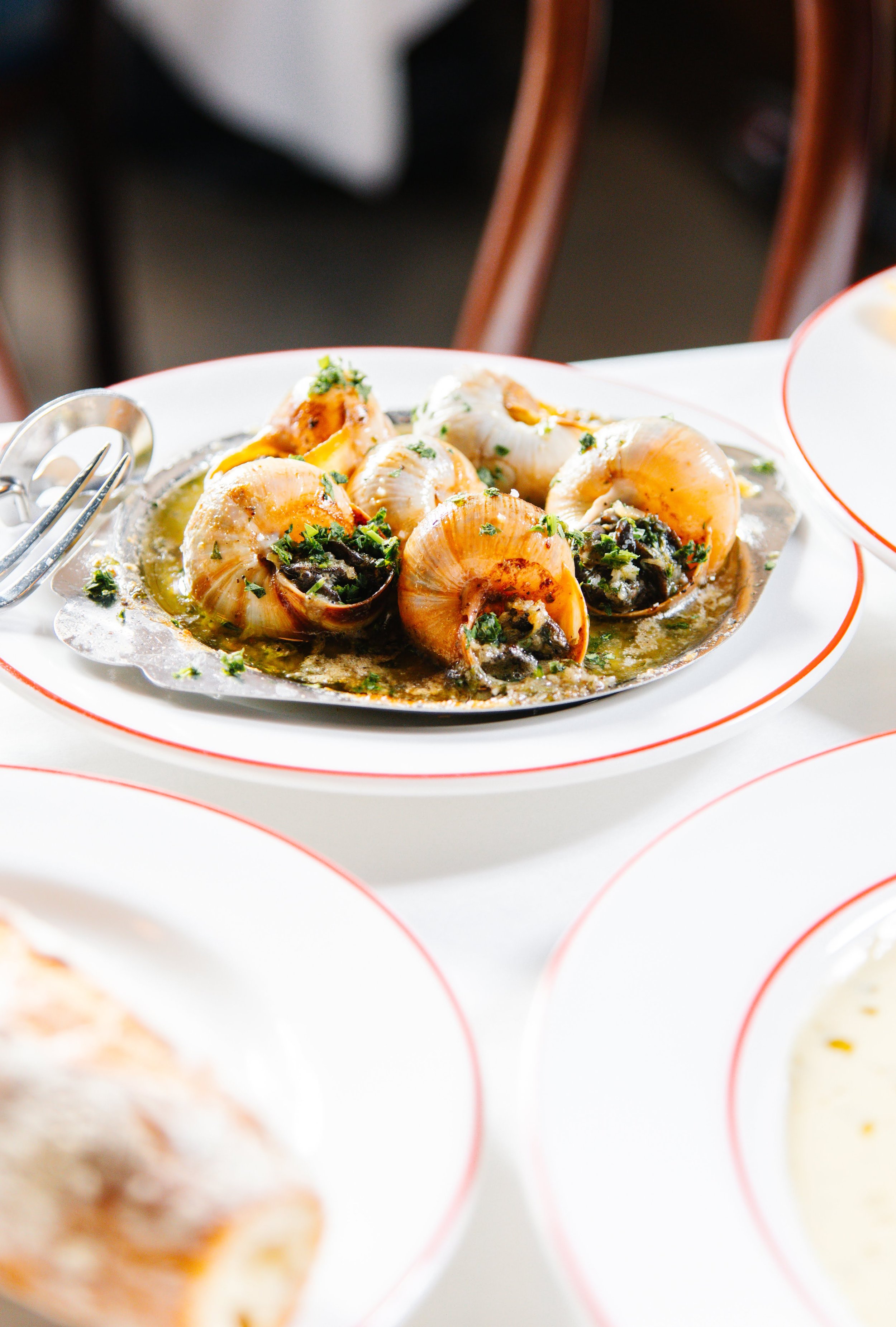
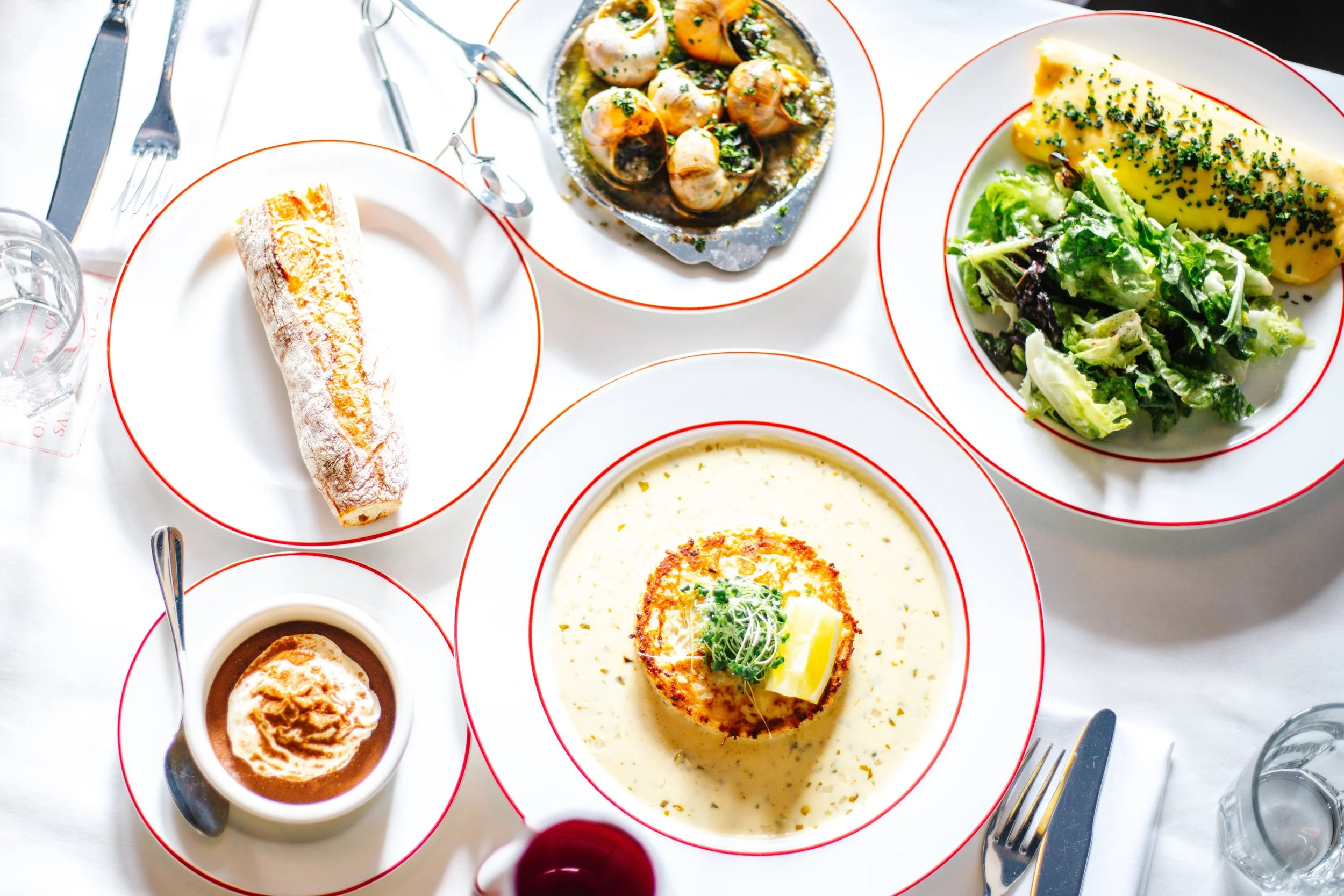
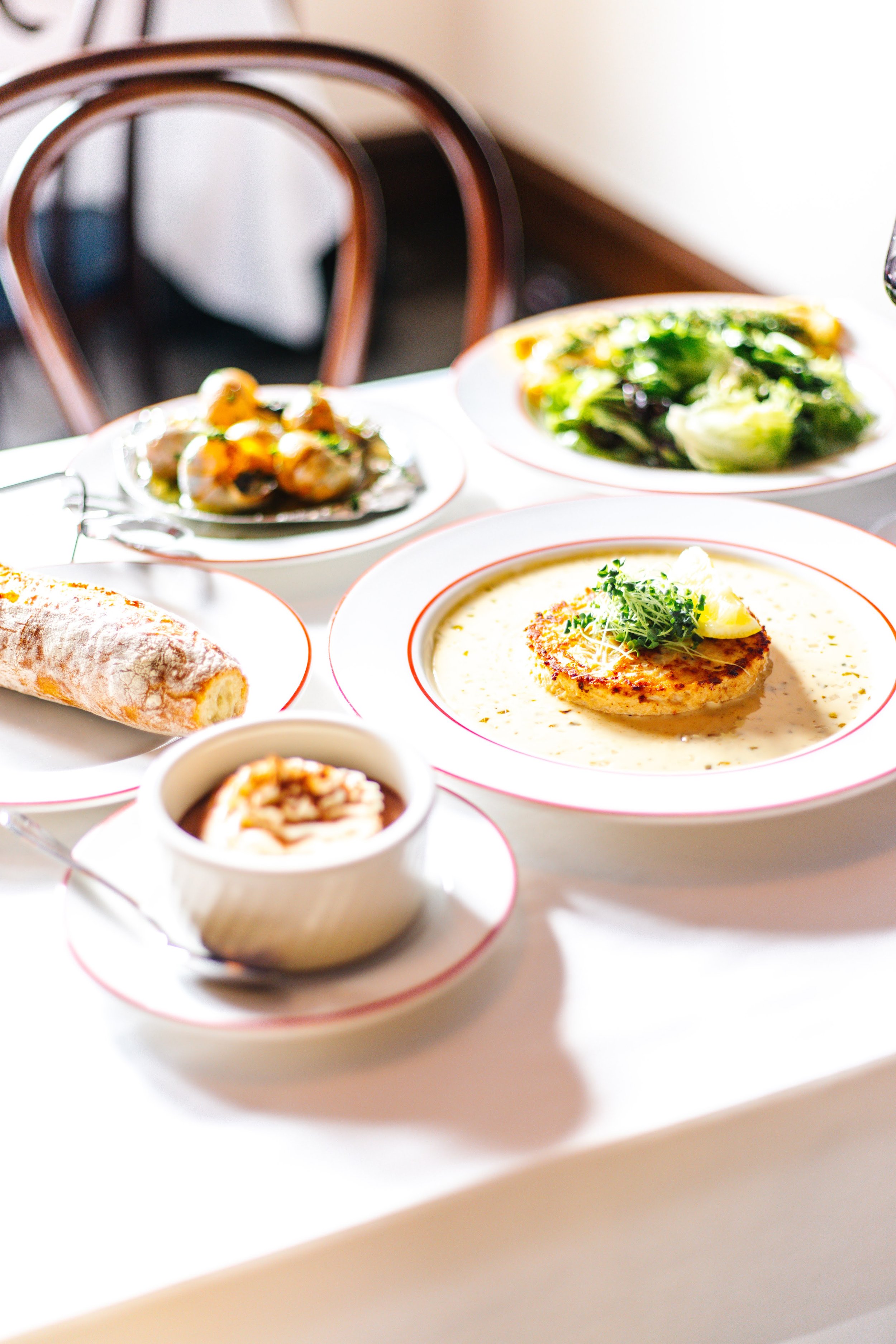
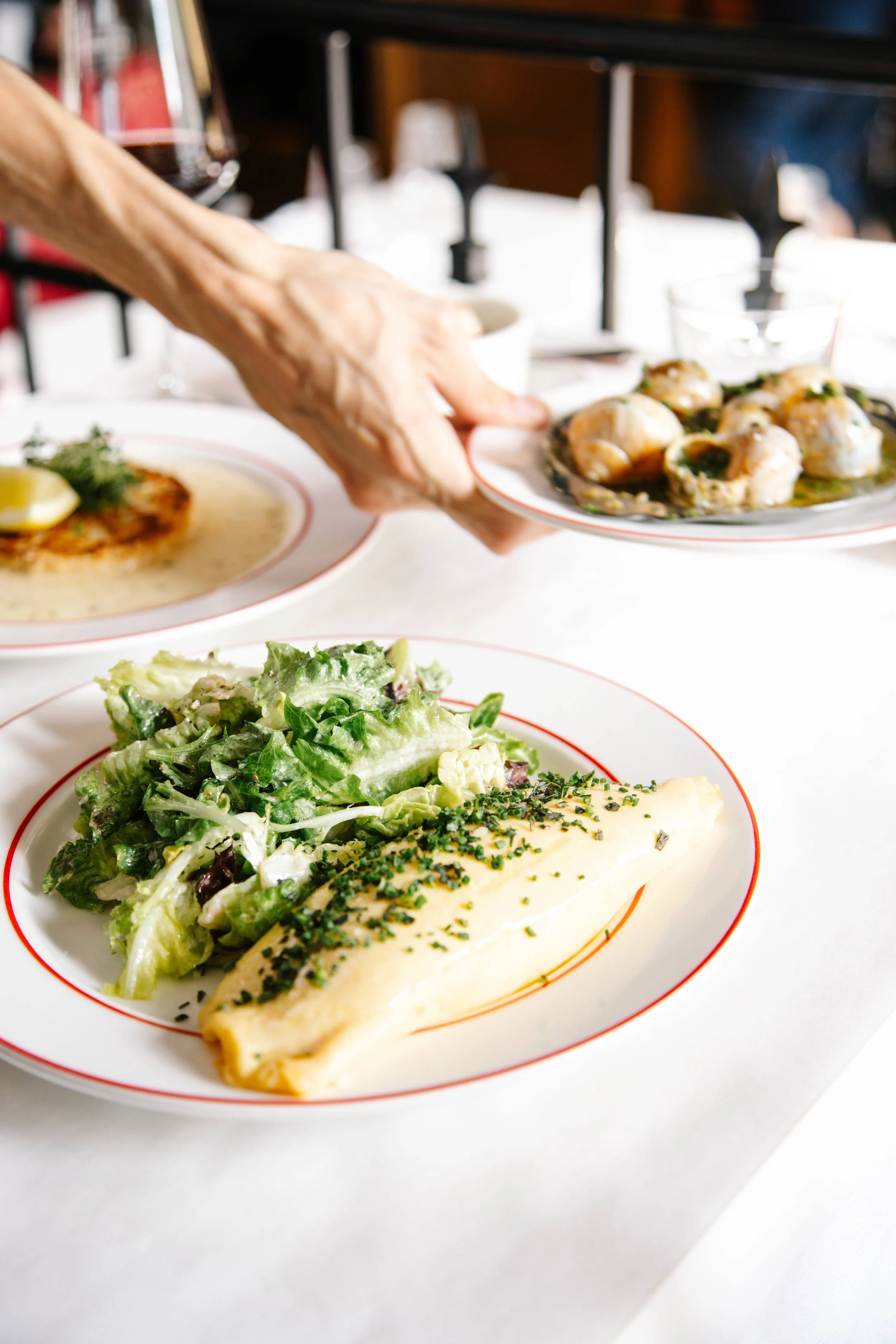
Breathing new life into the building formerly housing OKC staple Cafe Do Brasil, Le Parisien’s menu is textbook classic French bistro fare: escargots, moules frites, steak tartare, French onion soup, French omelette, and an extensive list of French wine.
With one French wine bar already under their belts, Dustin called Alain after Oriel’s closing with a simple, enticing pitch for their next thing. “There was only one French restaurant in Oklahoma City, a city of over 700,000 people,” Alain reflected on a gap they both understood as an opportunity. That summer, Alain travelled frequently to OKC to tour properties, taste the local baguettes, and get acquainted. Then, in November 2025, just a month before Le Parisien’s grand opening, he left his home of 20 years.
Of those 20 years in L.A., Alain and Dustin go all the way back. In 2005, Alain gave Dustin one of his first restaurant jobs at Cafe Stella, another French bistro. Years later, Alain managed Dustin’s Hotel Covelle, one of his now-dozen L.A. concepts. Now, in their latest chapter, Le Parisien offered something new: the chance to design the space themselves, in turn creating the best guest experience possible.
For them that meant hidden details that may go unnoticed. For instance, at the end of the bar, a smaller attached table juts out so a group of three can converse comfortably and be visible to the bartender without needing to bend forward or backward; the large booths sit on elevated platforms so guests can be at a comfortable height while dining; the two-top wooden booths are soundproofed for clearer conversations; and arguably the best seats in the house are corner cushions at the end of partitioned booths that create a little more intimacy than sitting across from each other would.
This detail would also be found in the decor as they physically brought back Paris. Alain and Dustin found wall art, décor, and ceiling light fixtures from Parisian thrift stores and antique shops last June on a France trip deemed necessary to properly decorate Le Parisien.
That trip was close to home for Alain. His birthplace of Lyon sits in eastern France among the Rhône and Saône rivers. Its geographic advantages made it a key trading route for the Romans who brought Mediterranean goods north, and its fertile and well-draining soil meant human agriculture dating back to the Neolithic period. These factors contributed to the regional culinary explosion of the early 20th century which resulted in Lyon being deemed the gastronomic capital of France. Alain grew up in the rural countryside eating his mother’s meals of seasonal, garden-grown fruits and vegetables—a rotation of white asparagus, artichokes, grape tomatoes, spinach, and strawberries—and chickens and rabbits from the farm across the road. “I didn’t know she was a good cook until years later, when I realized not everybody’s mother had a hundred recipes on a roster,” Alain said.
These recipes would stay with Alain and set the baseline for his expectations in a chef. For Oriel, finding a chef in L.A. who knew French cuisine was easy. For Le Parisien, where the French cuisine landscape was less trodden, Alain believed it would be a challenge. But the stars aligned. Dustin looped in Bryant Gallegos, who used to work for one of his L.A. seafood restaurants. Coincidentally, Bryant, with his own personal ties to Oklahoma City through a former girlfriend, didn’t mind making the move, and Alain didn’t mind his cooking; in fact he praised it. “His French omelette is textbook,” Alain said.
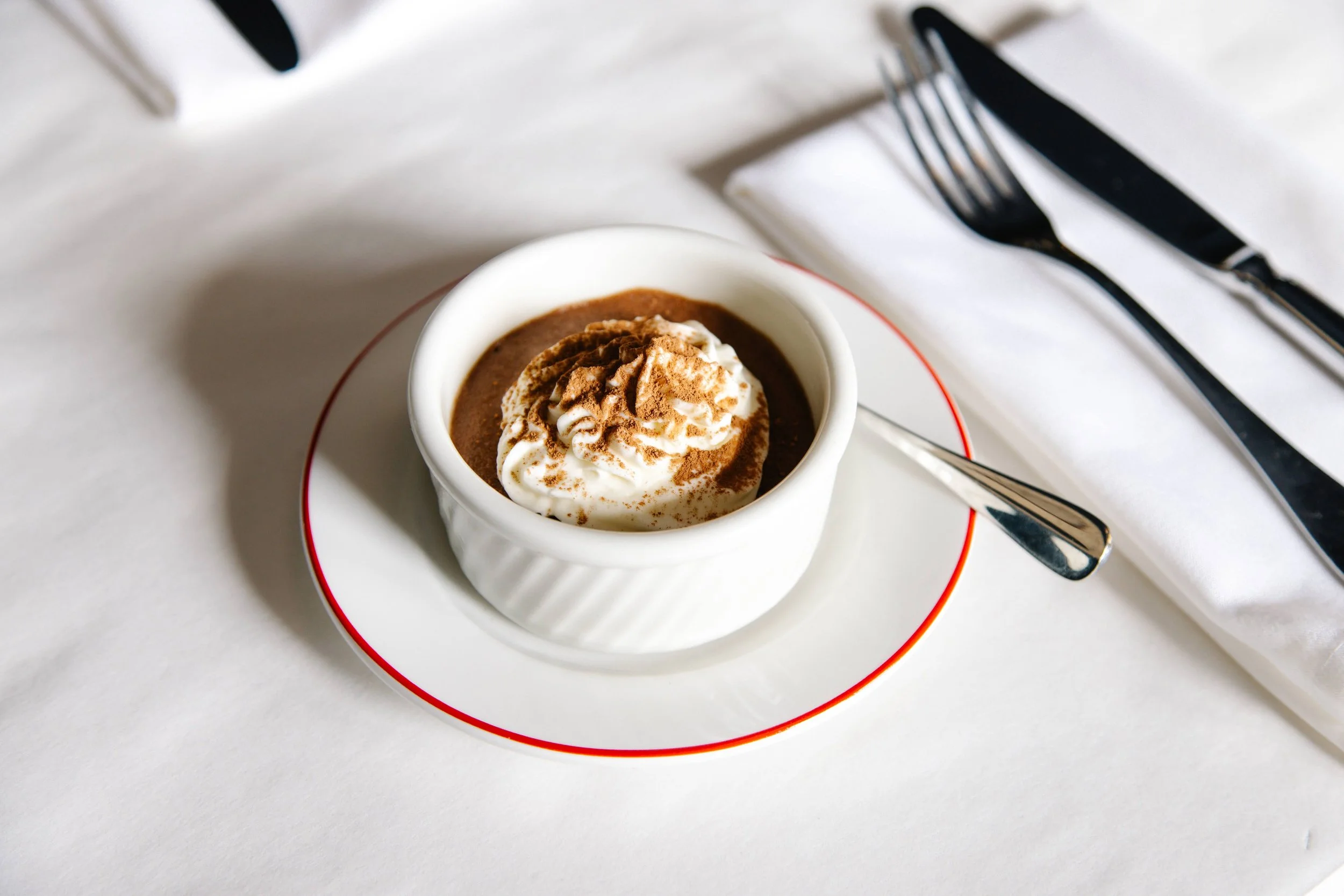
Beyond mastering the art of French cooking, Bryant was doing something deeper that hit close to Alain’s home. “Bryant has a few dishes—the chocolate mousse, the escargots—that taste how my mother would make them. Exactly the same,” Alain said.
And so with the right food, the right wine, and the right details all in place, Alain has created France in his new backyard. When he’s not sitting with customers at the bar or greeting guests at the door, you may see him zipping through the streets of Midtown on his motorcycle to and from Le Parisien, where he is every day, doing what he loves. “Many people say it feels like France,” he said.
After over 40 years living in San Francisco and Los Angeles, Alain is in Oklahoma City sharing a version of his motherland; and he hopes, above all else, it is a good experience for those who try it.
“There’s nothing better than four friends sitting in a booth, eating good food, drinking good wine, and having a nice conversation. It’s simple, but it’s what we want to achieve,” said Alain.
Le Parisien, 440 NW 11th St, OKC, (405) 357-1869, @leparisienokc