Ralph’s Ranch
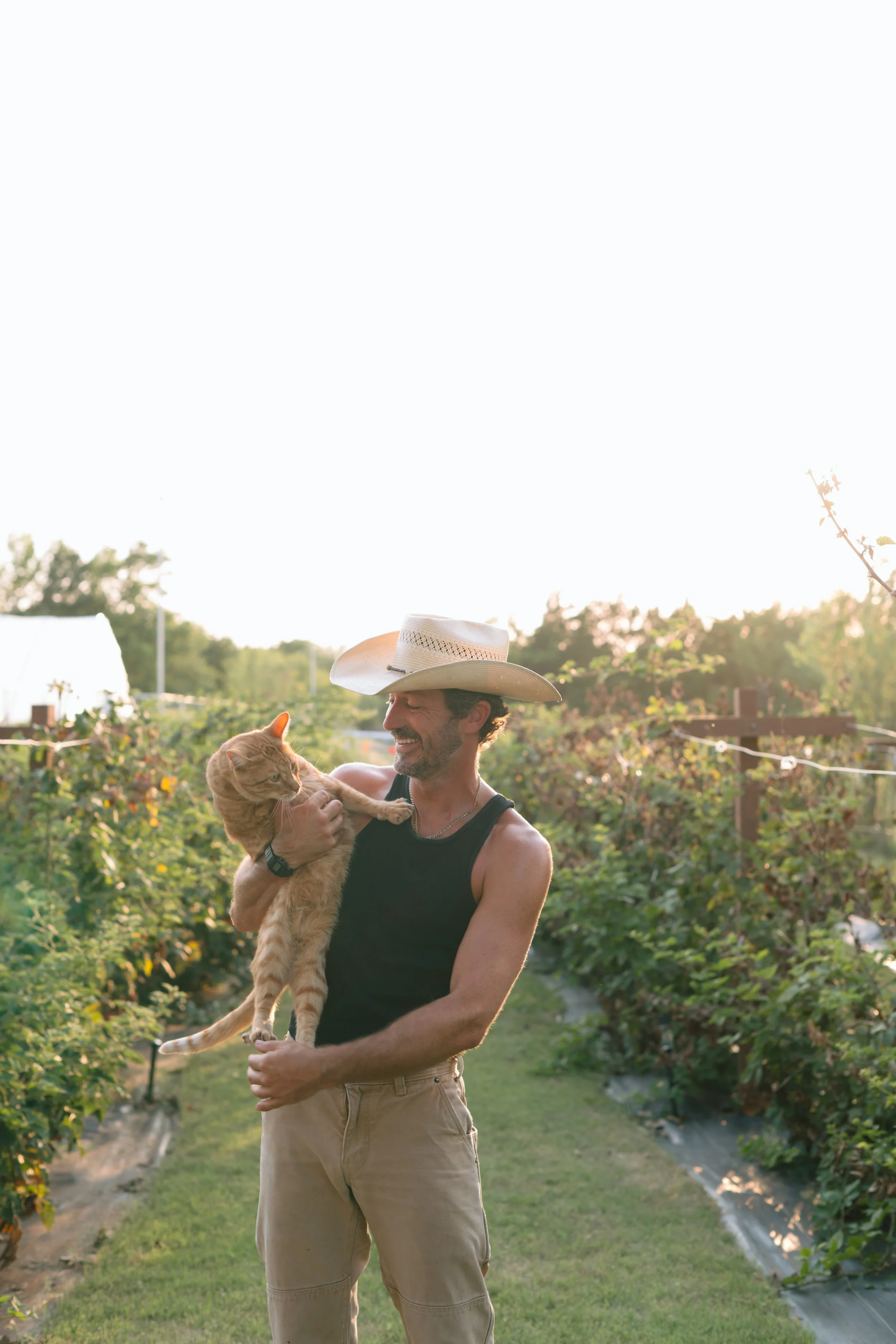
Owner Ben Birdwell calls his urban farm a “safe, peaceful, little gay oasis.”
Words by: Breena Kerr
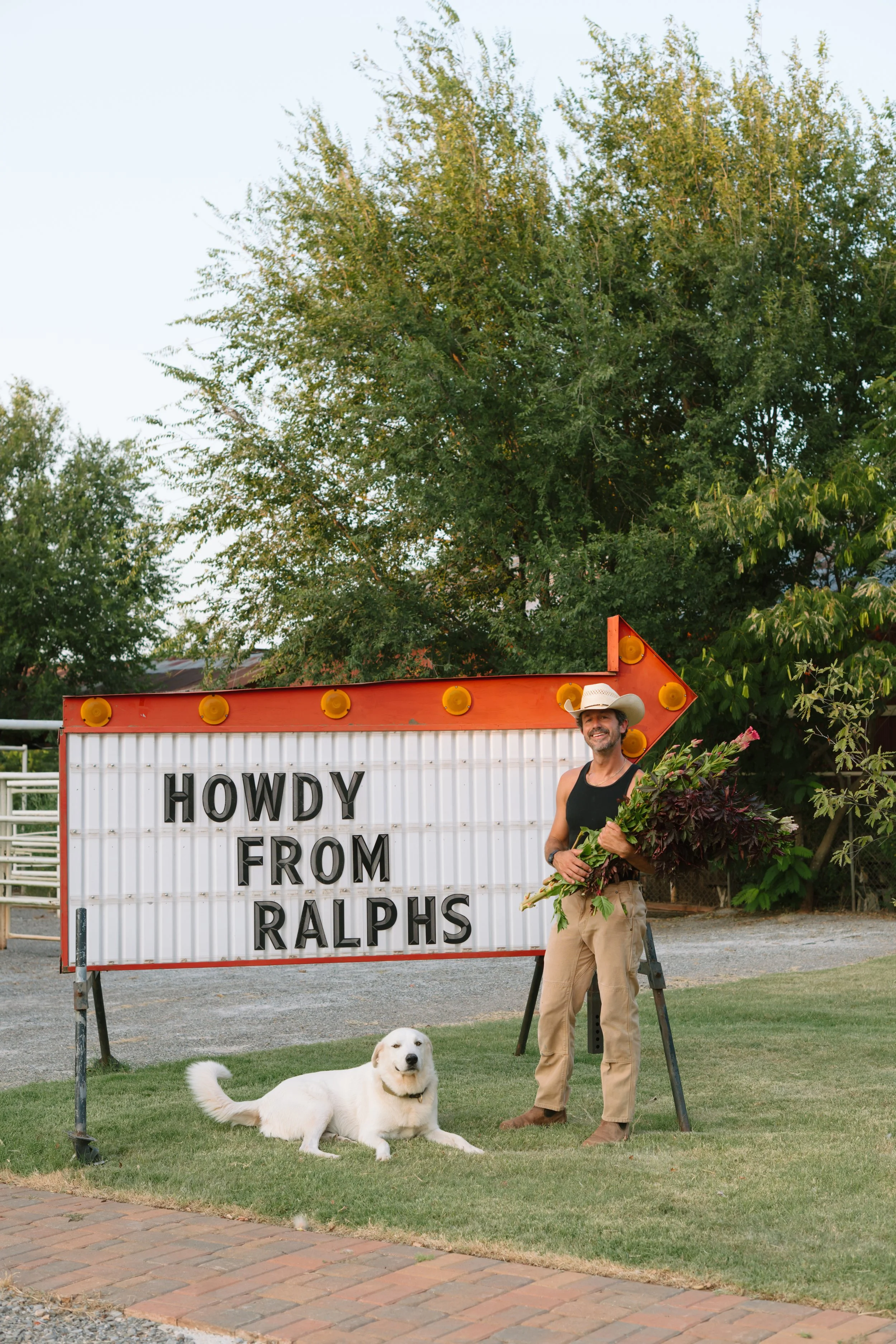
Ben Birdwell fondly remembers a day soon after he bought the plot of land in northeastern Oklahoma City where Ralph’s Ranch now sits. It didn’t look like much at the time—just an abandoned horse stable on 10 acres. “I was going through a bit of an existential crisis,” he said, as many people were during the pandemic. He moved onto the property, and not long afterward asked a couple of friends to come over and give him some tips about farming. Birdwell knew a little bit about plants—he’d grown up visiting his grandfather’s (the original Ralph’s) cattle ranch and helping his dad tend to their home garden. But all in all, he didn’t know much.
“I have this video from that day, where my friends are saying to me, ‘We can show you some things, but it really depends how far you want to get into this whole farming thing.’”
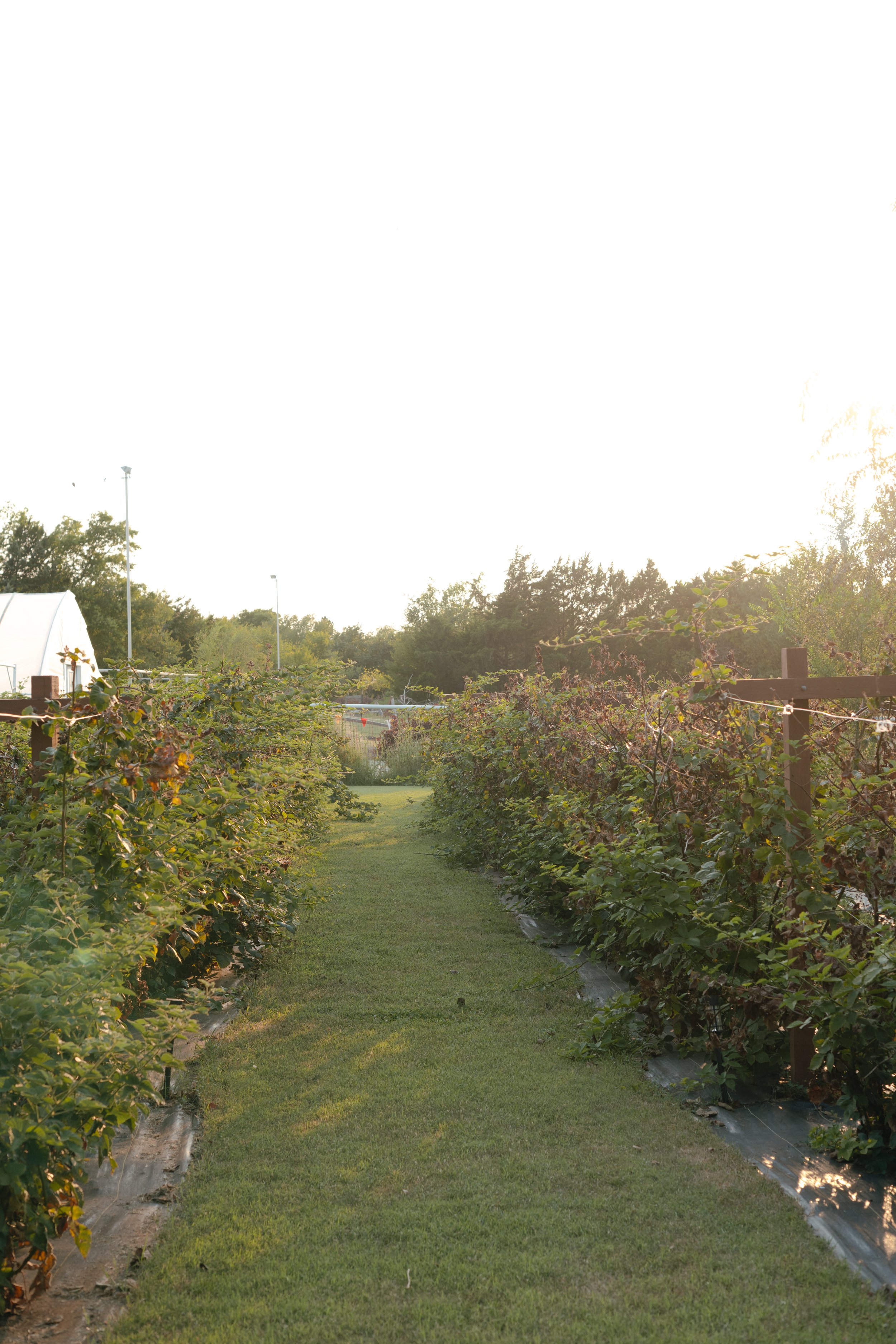
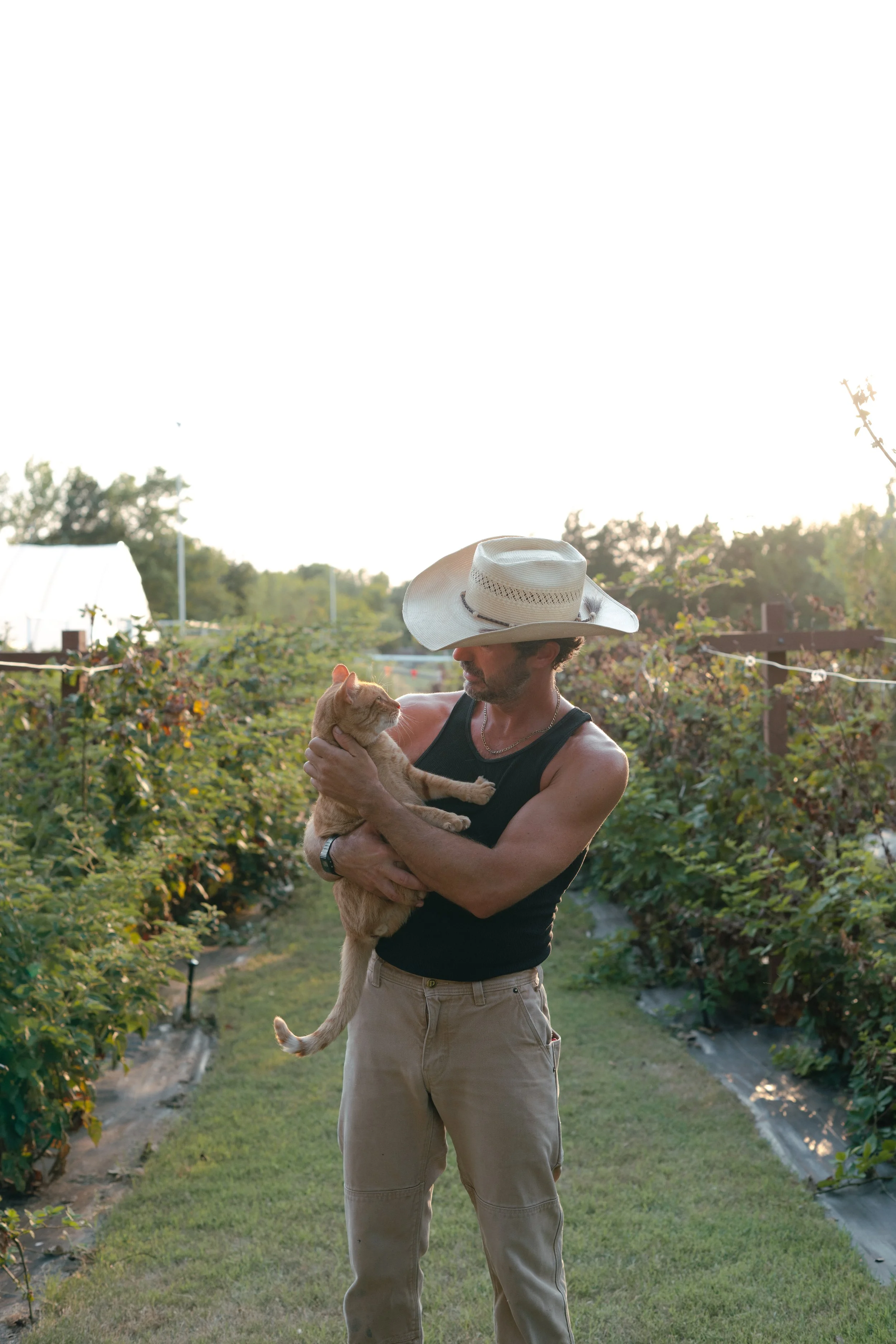
Six years later, with 10employees, a 2-acre farm, a subscription flower service, an annual yield of 50,000 flowers and 800 pounds of vegetables, hundreds of customers, a small menagerie of orphaned animals, and a community gathering and event space, it’s clear that Birdwell has gotten “in” pretty far.
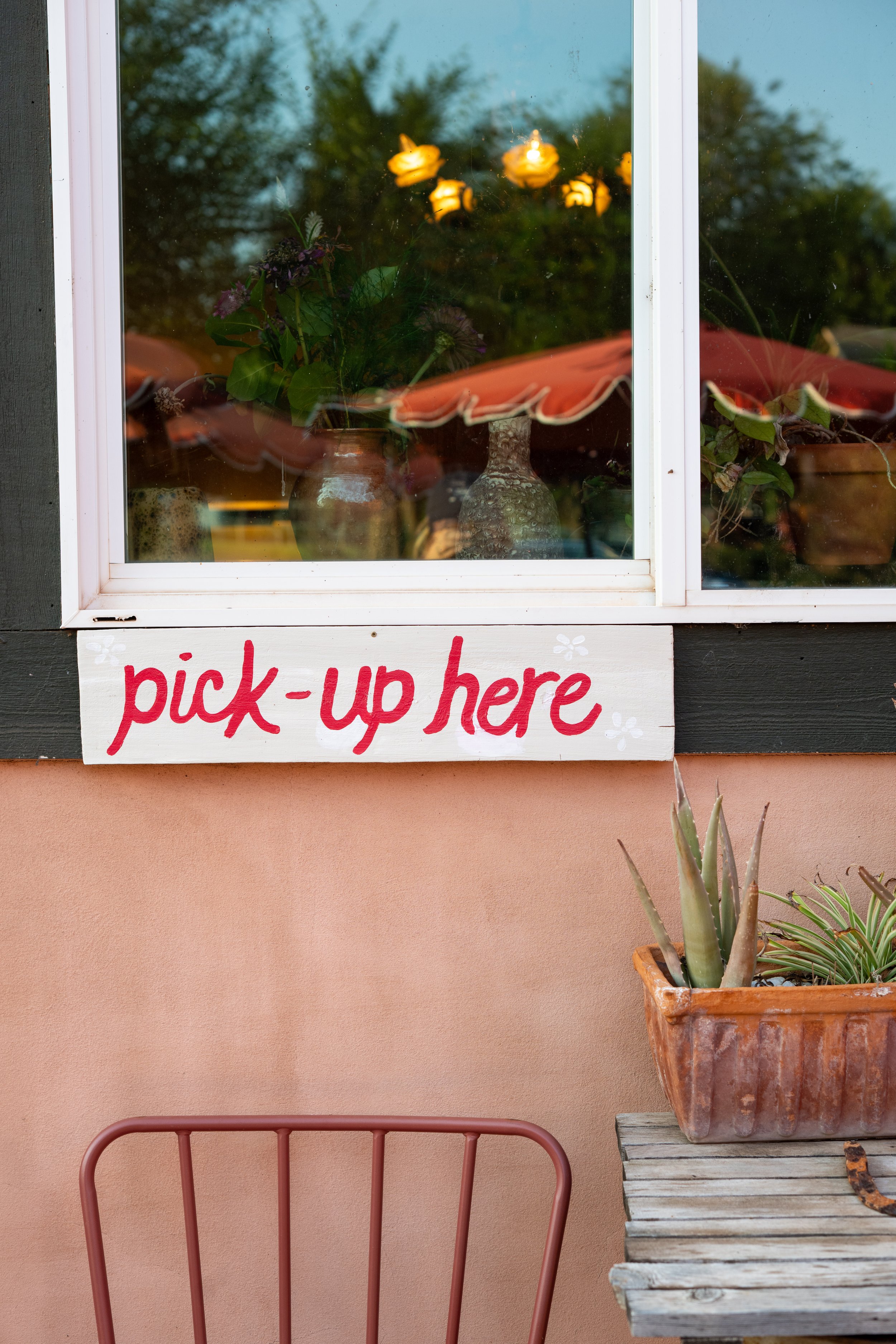
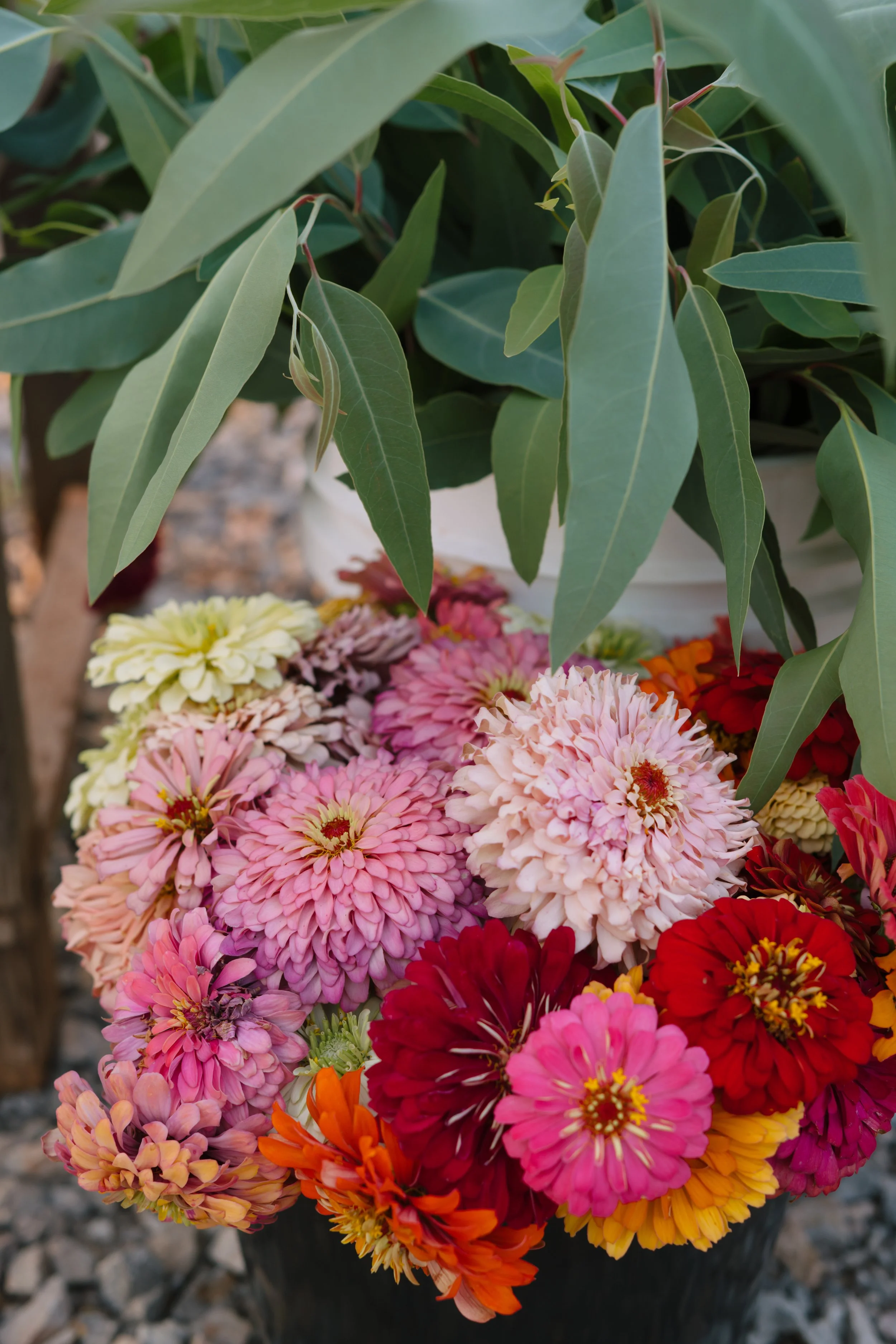
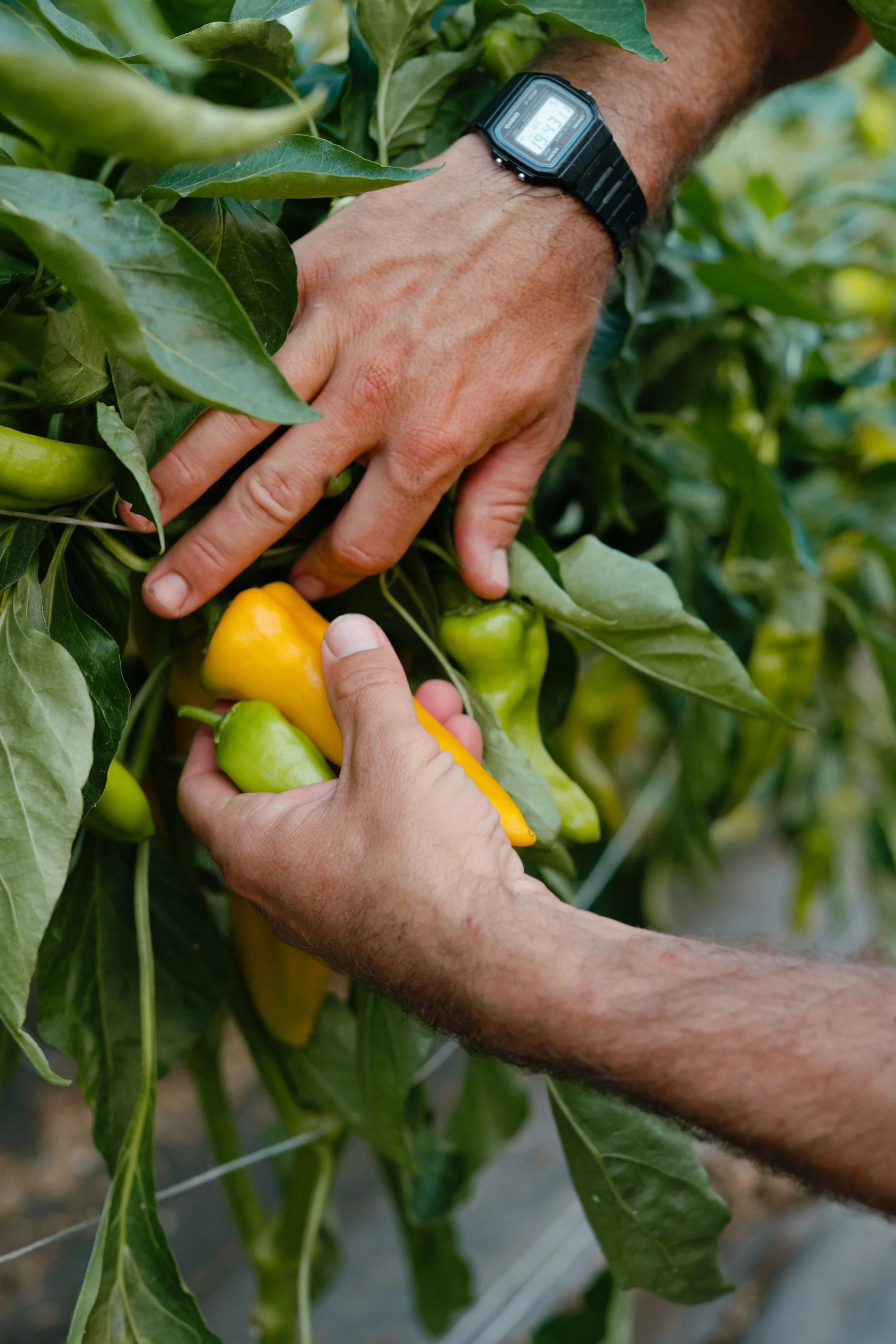
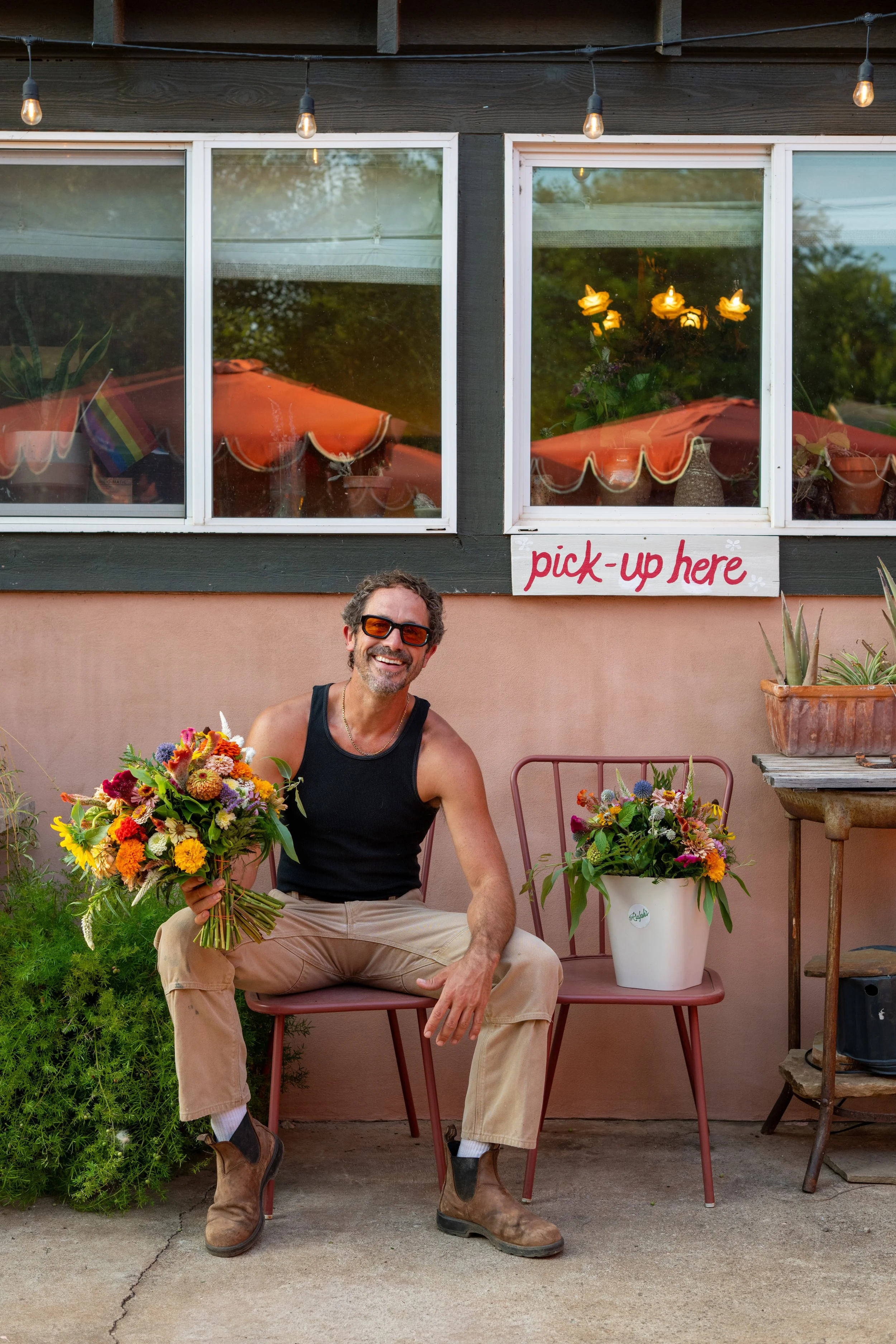
Ralph’s Ranch primarily grows flowers, including favorites like ranunculus, zinnias, sunflowers, snapdragons, marigolds, dianthus, and celosia — as well as local native varieties of rudbekia, echinacea, and cone flowers. His “flower club” subscription has become a popular offering. As for produce, Ralph’s also grows tomatoes, cucumbers, okra, beets, lettuce, arugula, spinach, carrots, herbs, blackberries, strawberries, peas, radishes, turnips, and kale. They host a weekly market at the farm from 9 a.m. to 3 p.m. on Thursdays and Fridays, and they have a booth at the Saturday Farmers Market at Scissortail Park.
For Birdwell, Ralph’s Ranch has always been more than a business. When he purchased the property in 2020, the native Oklahoman was reeling from an incident that had happened at work. Birdwell had come out as queer to close friends and family several years earlier. At the time, he’d been living and working in China, where he’d originally moved to serve as a missionary. After he came back home, he kept that part of his life private until the time felt right. But when he finally shared his identity with coworkers, things didn’t go well. Birdwell felt that people at work were judging him and treating him differently. So he left, motivated to create a safe space for LGBTQ+ people. Today, he describes the farm as “a safe, peaceful, little gay oasis.”
“We’re an unapologetically queer farm,” he said. At the same time, Birdwell says, he considers the farm to be a meeting point of many different kinds of people from Oklahoma. It attracts people who come from different walks of life. “Everyone, including super conservative people, feels welcome at the farm,” Birdwell said. “I don’t necessarily present as super gay, so I can also be a person who can start that conversation with them.” And while it can be challenging to initiate those conversations, he said the obstacles of farming are just as hard.
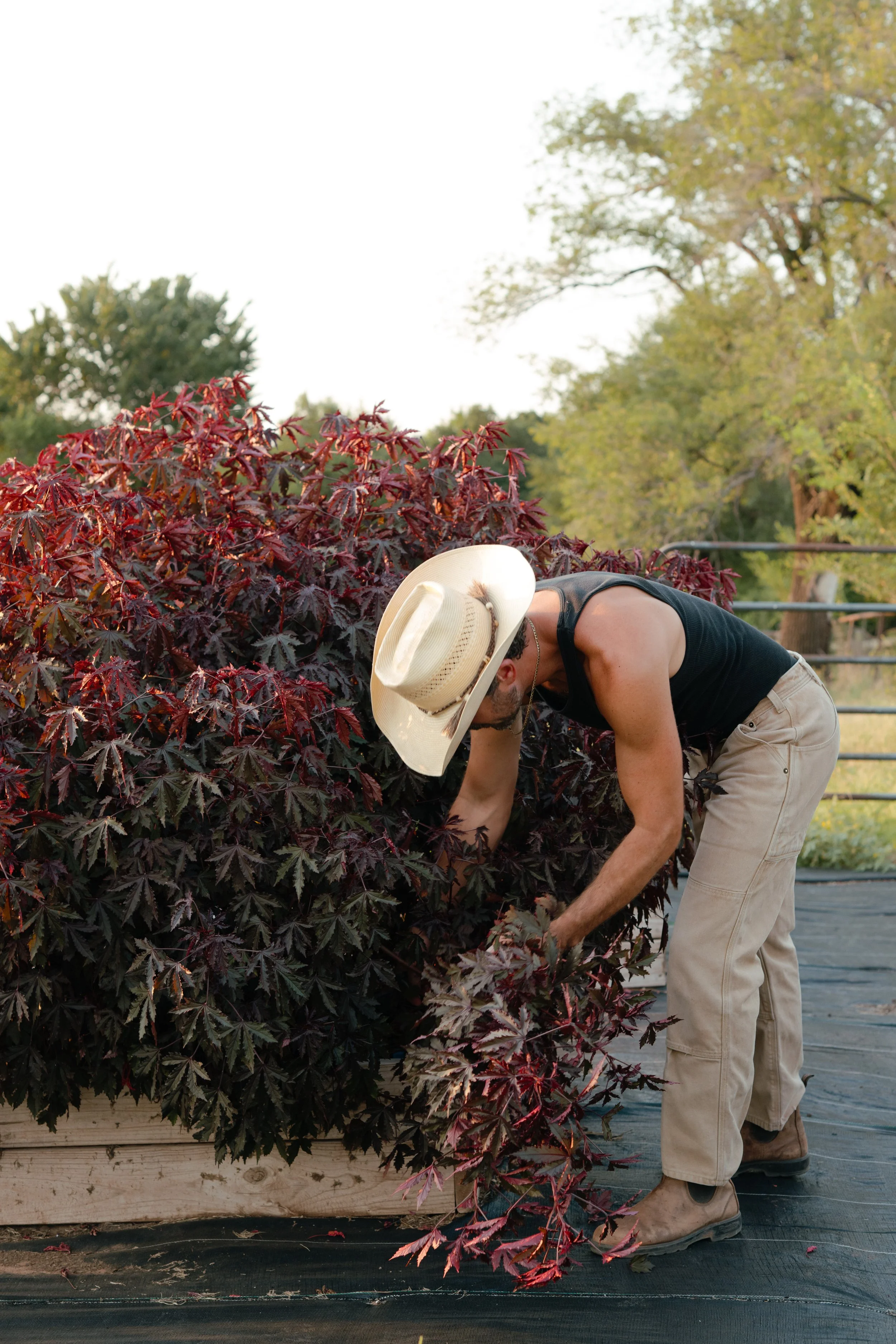
“We say, if you can farm in Oklahoma, you can farm anywhere. If you know about the Dust Bowl, then you know that we completely decimated this landscape. There are so many pests. The freezes aren’t hard enough to kill moths. We have insanely strong winds from spring through summer. It’s just a pretty crazy place to farm.” And, Birdwell added, that’s just a baseline truth about conventional farming in the state. When you factor in the challenges of doing regenerative, organic agriculture, it adds many more layers of complexity. “It means we’re turning rows every month and planting new crops in each row. It means we’re doing all our weeding and pest control by hand. It involves tens of extra hours of work every week, compared to a conventional farm.
“A huge part of urban farming and small scale agriculture is dealing with city zoning, neighbors complaining, and large ag buying up land. And it’s this added, complex problem on top of trying to learn how to farm.” Then, Birdwell said, you have the challenges of your own geographical context.
“I’m going to grow food and sell food very differently than a farmer who’s outside Chicago. That farmer has a city with millions of people—people and 21 Michelin-star restaurants that all want fresh, local produce. They’re gonna grow and have a business model that’s very different from mine,” he said. While there are restaurants that do want local produce in Oklahoma City (he does sell produce to Red Rooster), Birdwell said many chefs aren’t willing to buy from him because of the cost it could add to their menus, even though his fruits and veggies taste better and last longer than produce that’s commercially grown.
“So you first have to learn how to farm, then you have to learn how to farm in your context. And then on top of all of that, you now are dealing with legal issues, zoning ordinances, state laws, health codes—this whole other complex reality that they don’t talk about on YouTube when they’re teaching you how to grow tomatoes.” Unfortunately, Birdwell said, Ralph’s Ranch has also faced opposition from neighbors who don’t like the extra people, queerness, and attention that the farm brings to the neighborhood.
“I think about quitting all the time,” Birdwell said. But he said his community and the people who love the farm keep him going, even though it can be challenging to live on a property that is a meeting place for so many. “It can be uncomfortable to have people come out to my home,” he said. “But my worldview is that discomfort usually makes me better, and that it makes me better to interact with people who aren’t the same as me. I want to protect this space where everyone is loved and cared for—from gay people to conservative Christians,” he said.
You can learn more about Ralph’s Ranch at ralphsranch.com. Contact them at 405-254-7850 and visit them at 2209 NE 100th St. in Oklahoma City.