OKC Food Hub
Words By Evie Klopp Holzer / Photos By Rachel Waters
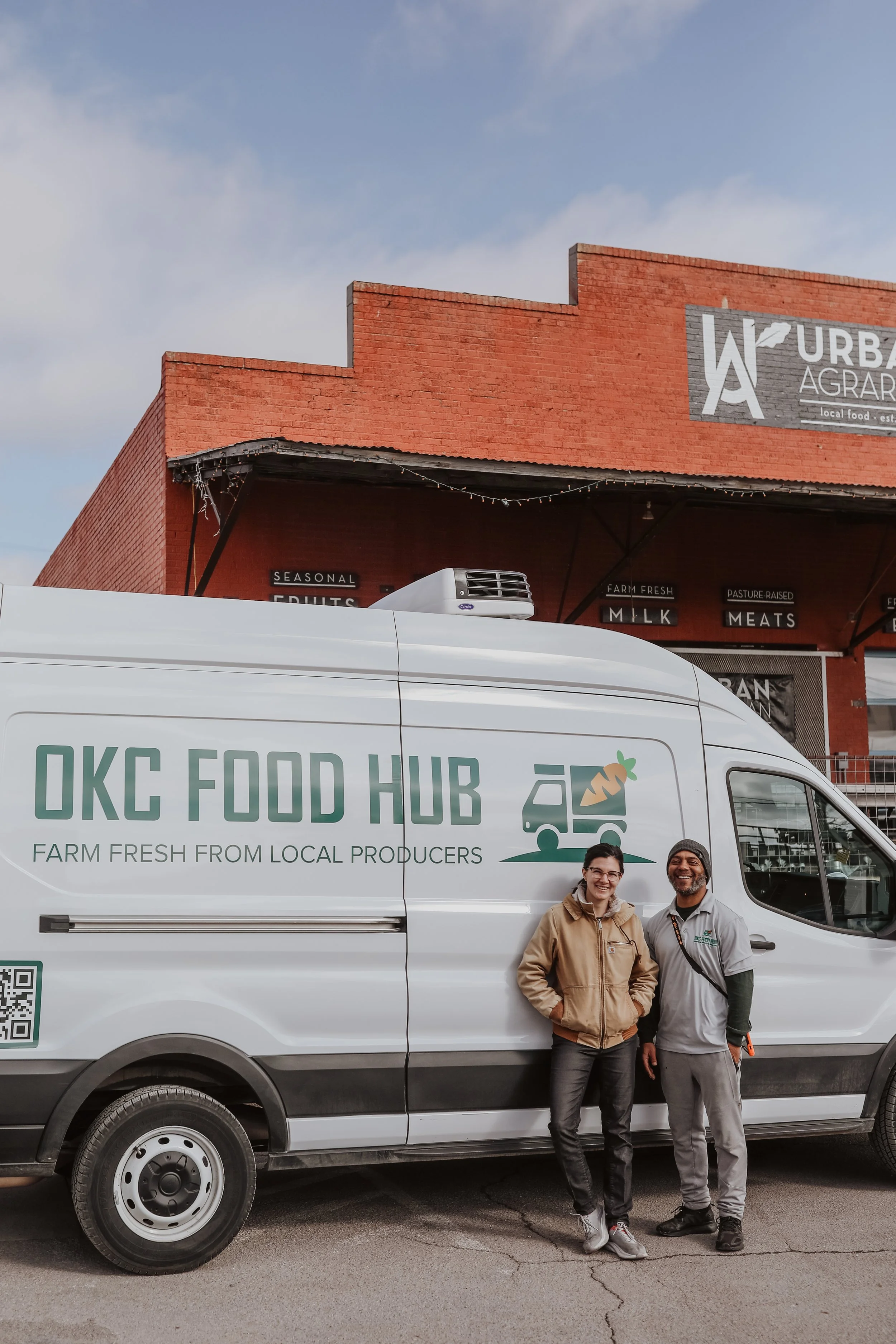
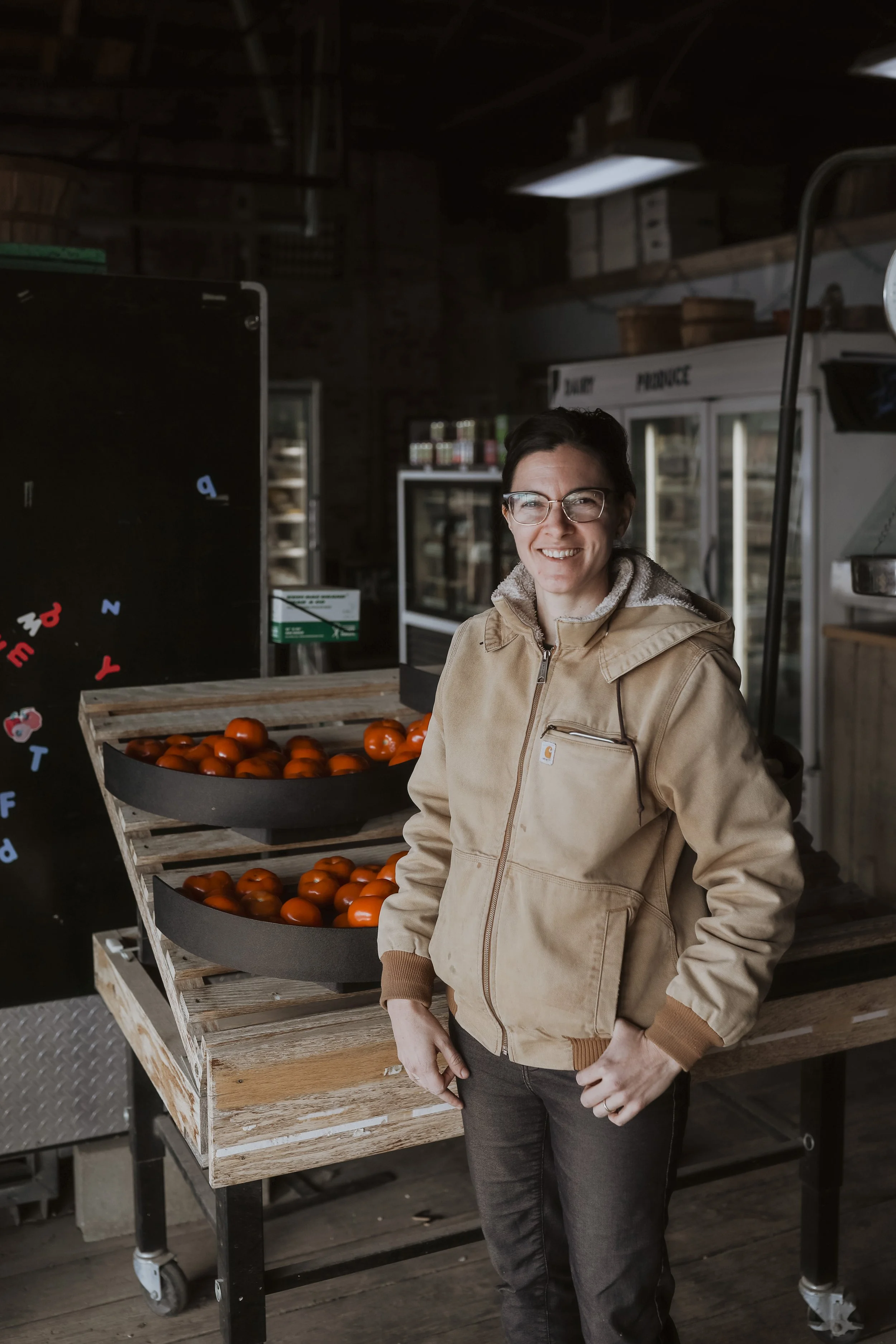
The OKC Food Hub director Jenna Moore has witnessed moments of surprise and delight when people sample Oklahoma’s just-picked produce for the first time.
“Having people taste an apple that was picked a few days ago—I hear comments like ‘I’ve never had an apple like that,’ and ‘I didn’t know we could get that in our state,’ and ‘I want to buy a whole box,’” says Moore, referencing an experience at the Hub’s workplace wellness program. “They are converted because the fruit tastes so different.”
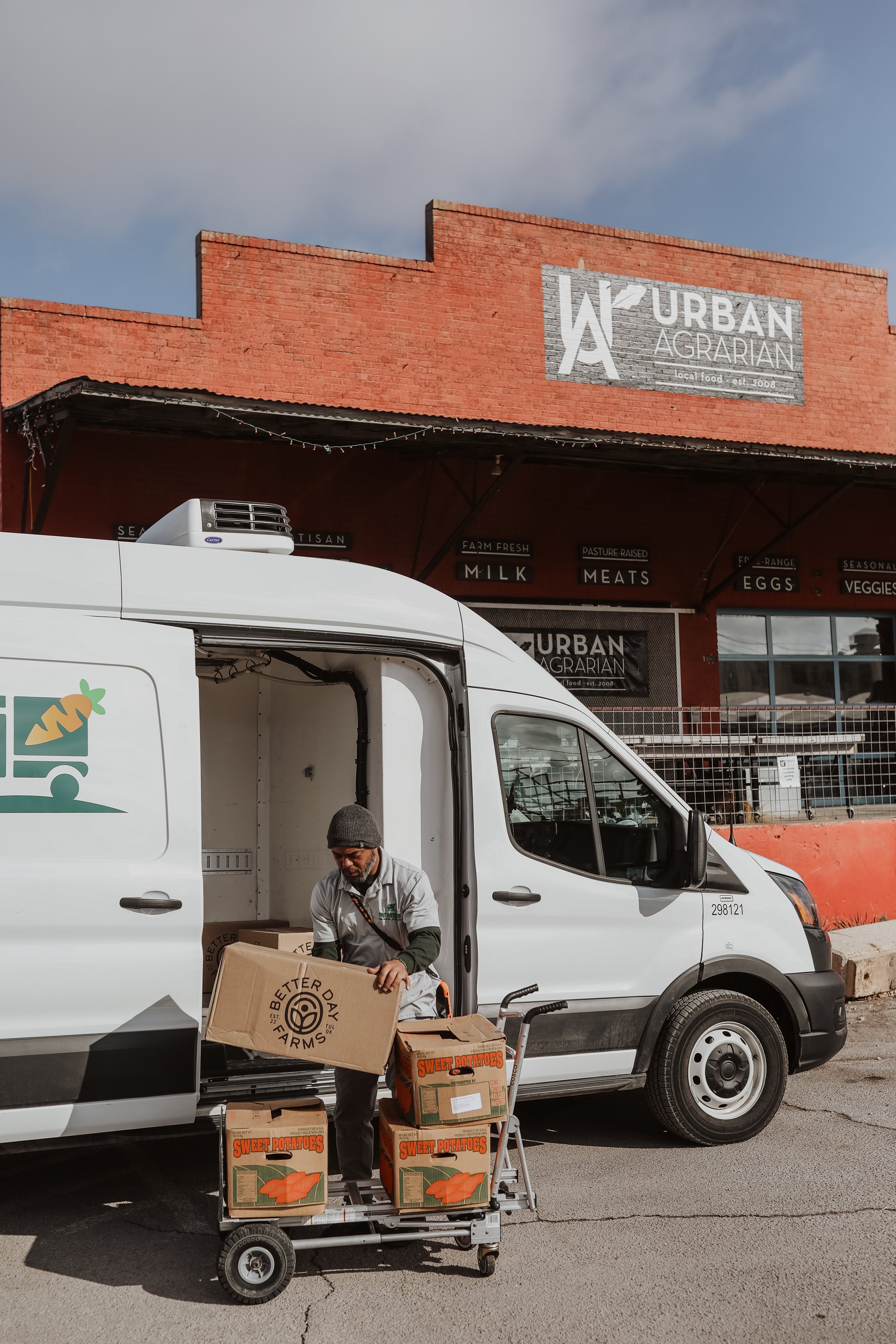
The OKC Food Hub exists to streamline the local farm-to-market process for all involved. The nonprofit connects small-to-midsize farms to stores, restaurants, businesses, and even schools, increasing local food access statewide. Essentially, any business or organization wanting to source fresh, locally grown food can do so via the OKC Food Hub. Moore, who describes her role as the “friendly middleman,” makes it happen.
As a gardener herself, Moore has always valued the superior taste and nutritional value of fresh fruits and vegetables. However, it was a first-hand look at the local supply chain that inspired her to start the OKC Food Hub, along with fellow local food activist Thanh Tran, in October 2022. Moore previously worked at an Oklahoma City retail food co-op, where she was seeing 70-plus vendors struggle to get their products to consumers efficiently. Local procurement and distribution processes were difficult and disorganized—but they didn’t need to be.
“Why are we all fighting against each other for these tiny little crumbs, versus trying to work together to get a bigger piece of the pie?” Moore says she remembers thinking at the time. “All of the local food combined is still far less than 1% of all food sales in Oklahoma City, so there’s a huge market potential.”
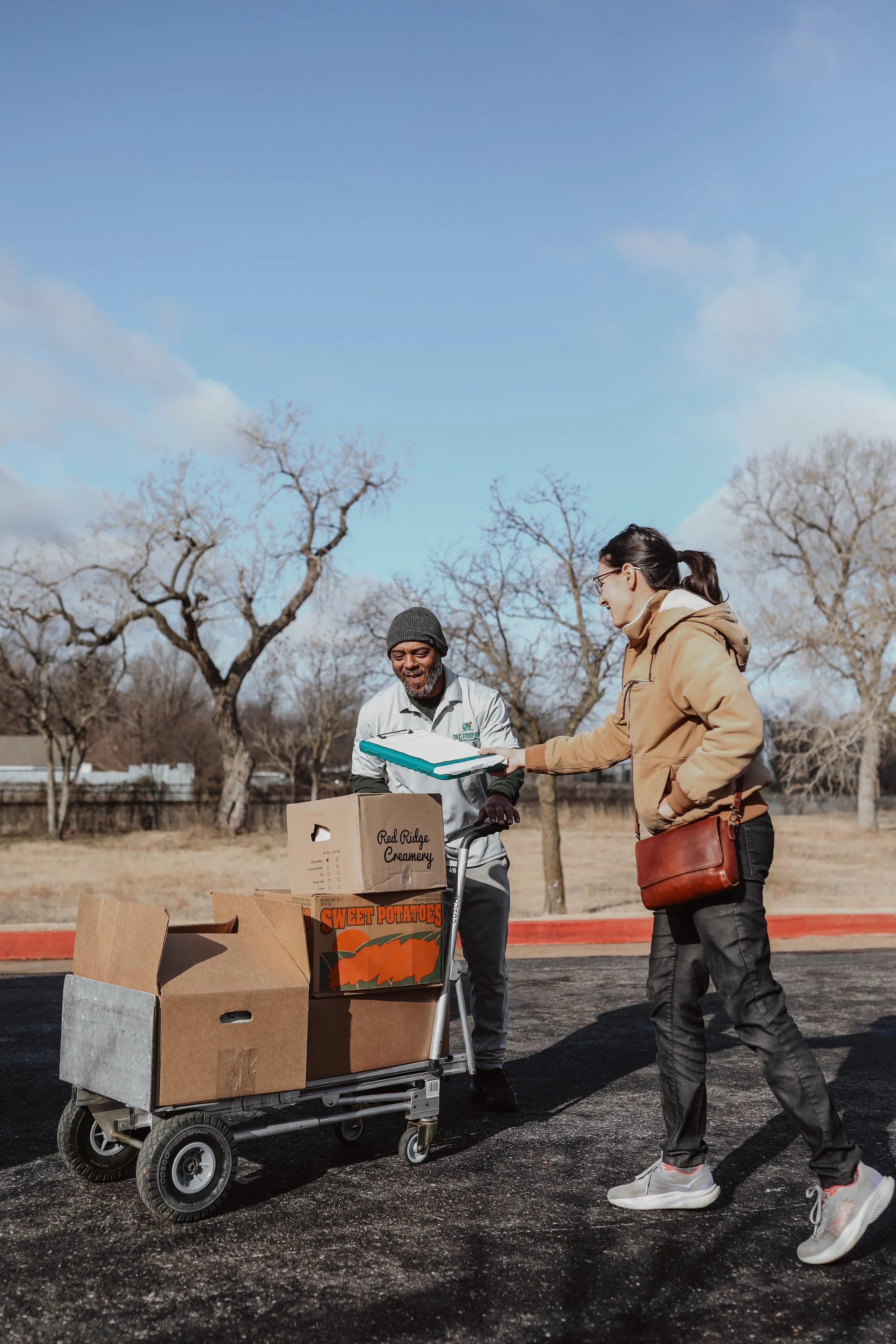
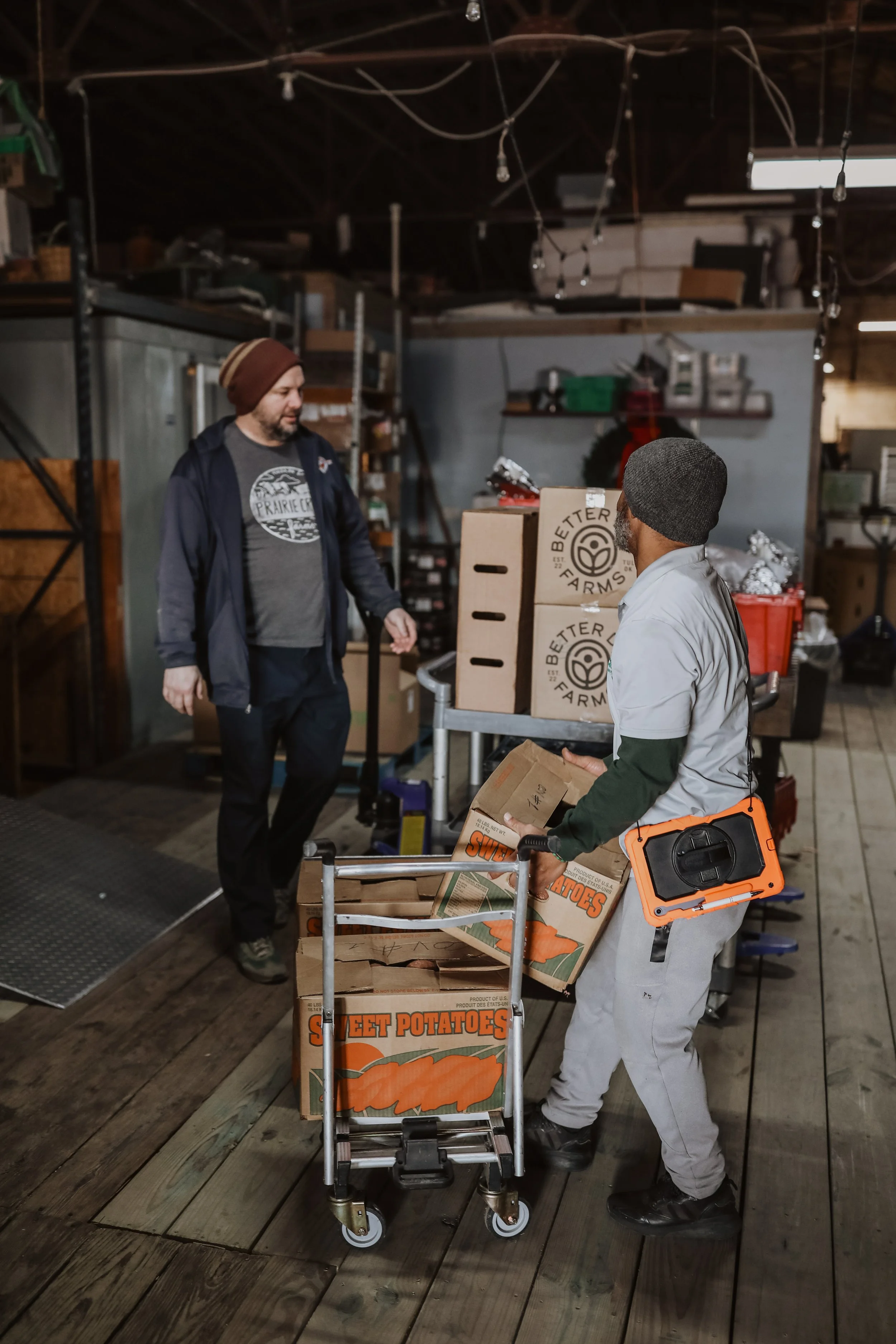
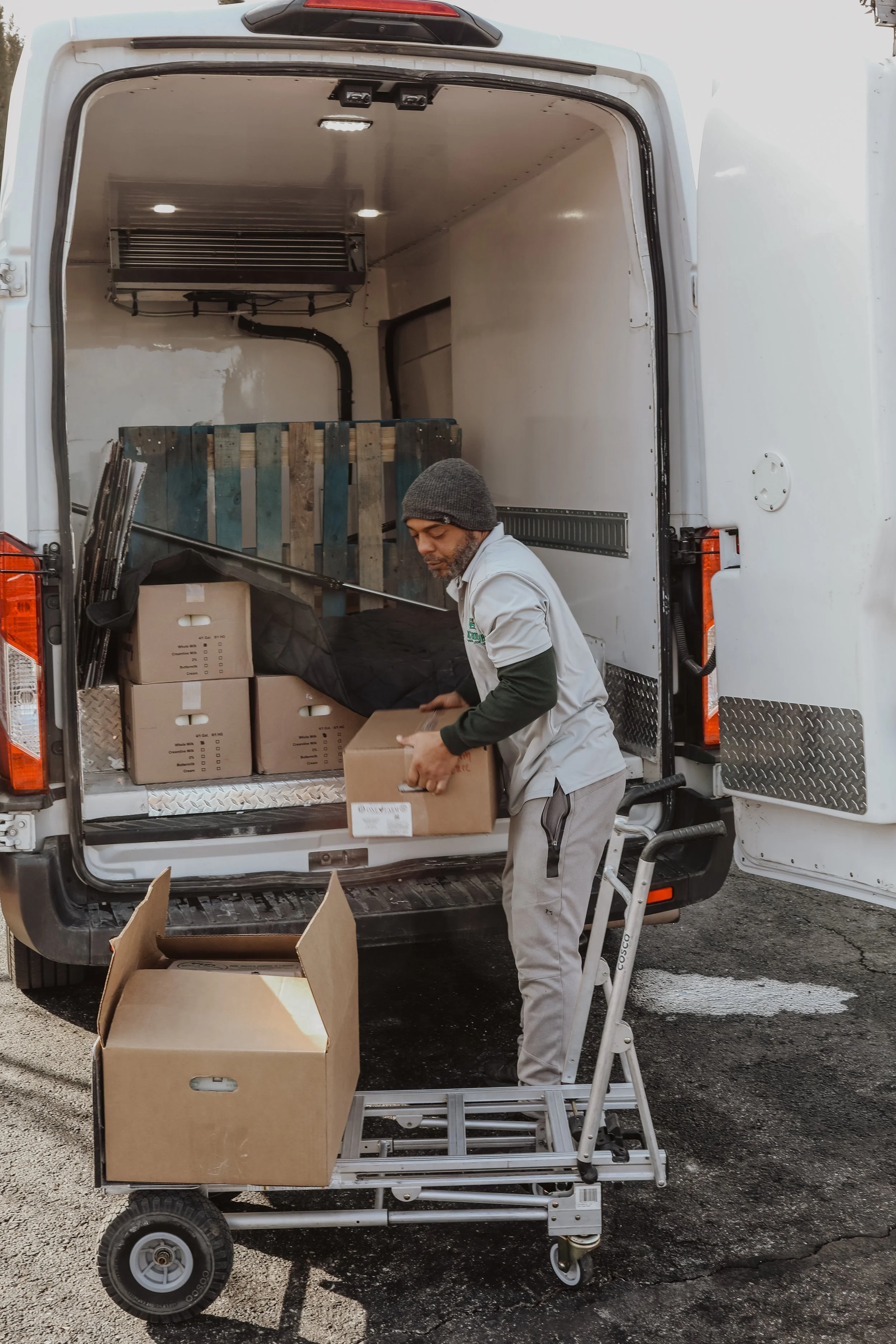
To tap into that potential, the OKC Food Hub operates an online wholesale platform at okcfoodhub.org. On any given week, businesses can log in, view what’s available and place their orders. Those “pick tickets,” as Moore calls them, go directly to the farmers on Friday afternoons. Farmers then pack and deliver the goods to the OKC Food Hub on the following Tuesday morning. The hub distributes orders on Tuesdays, Wednesdays, and Thursdays. During peak season, from July to October, the hub will churn out as much as 20 to 40 pallets—or 20,000 pounds of produce—a week.
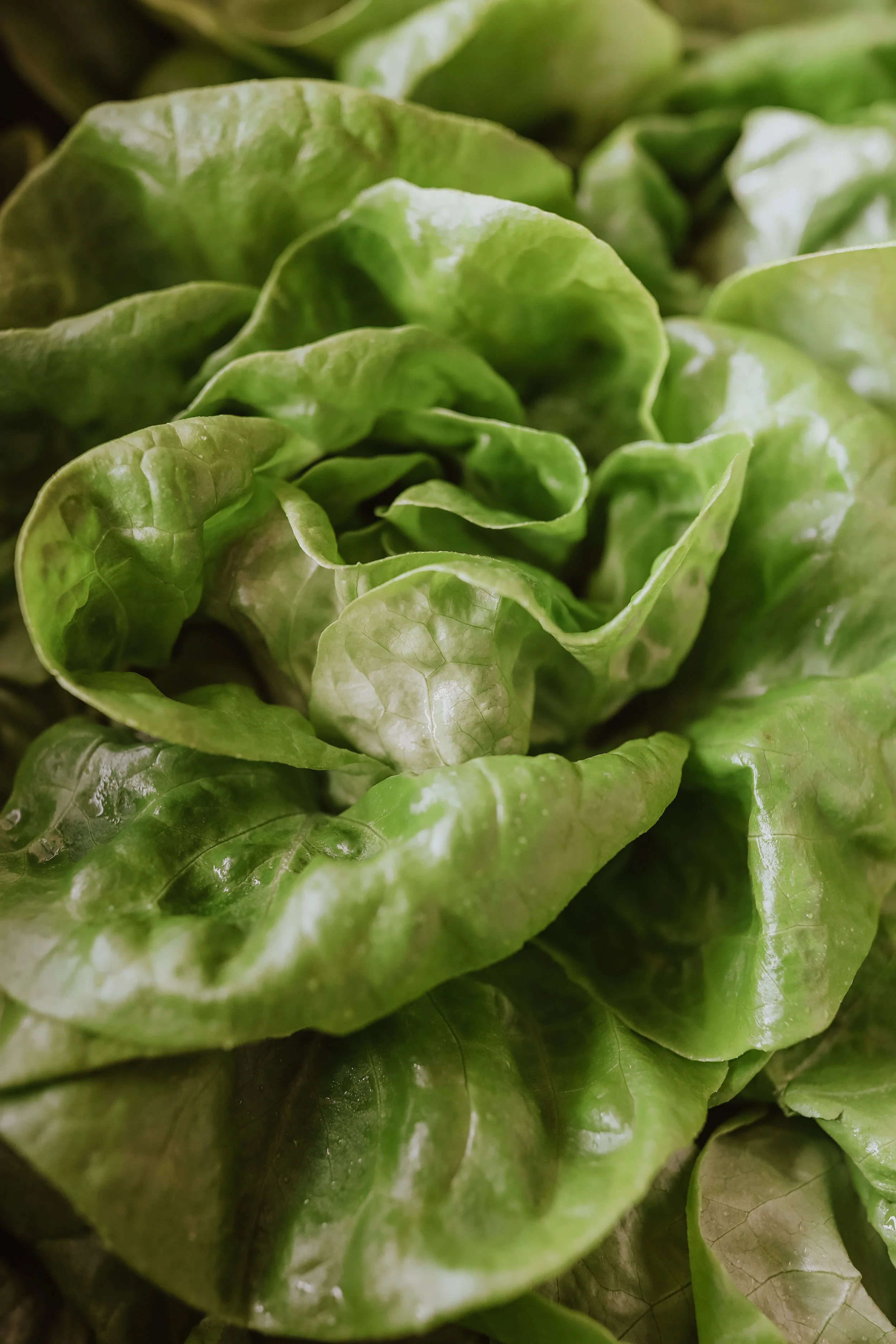
Kevin Marshall, owner of Indigo Acres, has been a supplier for the OKC Food Hub for the past three years. His farm grows lettuce, spinach, carrots, beets, broccoli, and tomatoes in the Edmond area.
“For a small farm, it can be difficult to sell wholesale in the OKC area, because time to deliver to multiple locations is time away from growing at the farm. The OKC Food Hub has allowed us to sell to dozens of customers throughout the region, and we only have one location to deliver all the orders. This saves me hours of work each week. They also provide the invoicing and payments, which streamlines our operations and allows us to focus on our business,” Marshall says. “In my opinion, this has saved my farm by reducing the workload while focusing on our main mission of growing healthy, healing food.”
The OKC Food Hub relies in-part on grant funding to pay its three full-time staffers and two Americorps-funded team members. In early 2025, many federal grants were frozen under the Trump administration and the AmeriCorps program’s future was in jeopardy (AmeriCorps was canceled and then, six months later, reinstated). For the past year, Moore has had to navigate ongoing grant and funding challenges.
“Our main grant was frozen for several months, and some went away forever,” Moore says. “So, it’s hard to plan. We’re trying to build up markets so we are less and less dependent on grants, but you can’t really—just by your bootstraps—get a 6,000-square-foot cold storage unit or a refrigerated truck that isn’t going to break. You need some investments that are large. So, that’s how we’ve been trying to utilize grant funding.”
Nearly two-thirds of the food hub’s largest partners rely on grant funding as well, including the Regional Food Bank and schools. When federal food procurement funds were cut or put on hold, everyone involved was negatively affected including the food hub, the farmers it buys from, and the “clients” served by the food programs (largely children and families).
Aside from large institutional buyers, the food hub also supplies produce to multiple restaurants and markets across the metro. Susan Lawrence, who manages operations for the Lakeview Market Hub and Farm, praises how the OKC Food Hub has saved time and energy sourcing local goods, adding “less waste is key.”
“The Food Hub is an integral part of helping market hubs like us offer the freshest possible items from Oklahoma artisans and growers,” Lawrence says. “We just want Oklahoma families to consume safe, local foods.”
The food hub deals mostly with businesses and institutions, but individuals can have an influence as well. Moore encourages anyone interested in eating local foods to begin by asking your favorite market, restaurant, or school a simple question: Where was this food grown?
“If you’re just an average Joe, and you’re in your school, or you’re in your hospital—wherever you are, wherever you eat—ask the question, and feel free to point them [the organization] our way,” says Moore.
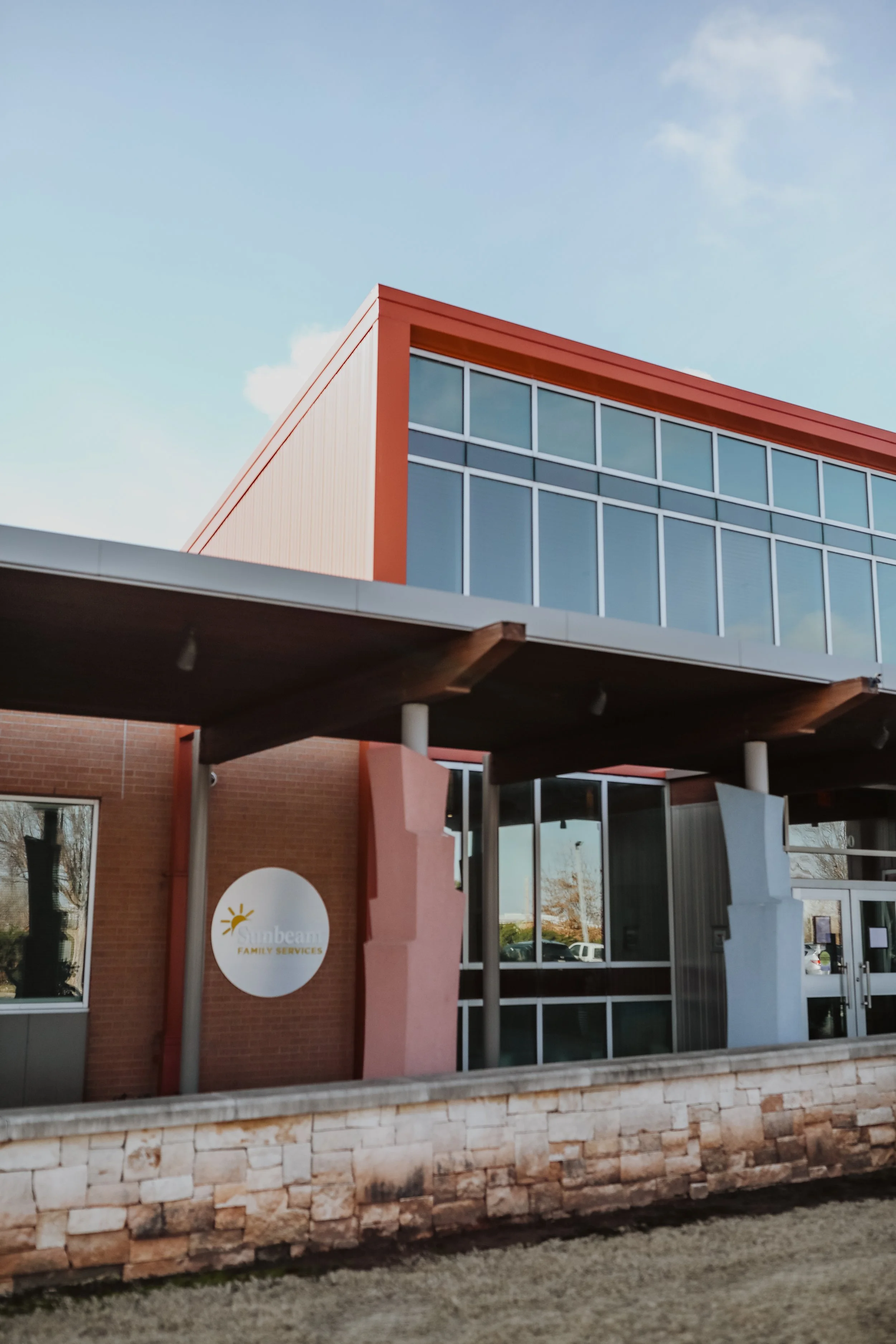
Sunbeam’s Head Start program connected to the OKC Food Hub in this manner—by those involved with the program asking questions about their food sourcing and persuading decision-makers to prioritize local sourcing—and it’s one of the hub’s many success stories. Connecting more people to healthy, locally grown foods is what motivates Moore to keep on going.
“Food is a human right,” she says. “I’ve viewed the whole thing as a systemic problem. In five years if, as a food system in Oklahoma, we could have a little bit more organization and stability—and to have a change in behavior and have it be affordable—I would consider that a huge success.”