Positive Tomorrows
Full Bellies are Learning’s Foundation
Words by Breena Kerr
The school bus that transports students to Positive Tomorrows doesn’t take the same route every day. Instead, it winds a varied path through Oklahoma City, meandering through some residential neighborhoods, but just as often halting at domestic violence and homeless shelters, tent encampments, offices, and the occasional 7-Eleven. Wherever the 160-or-so children—age 6 weeks to 6th grade—slept the night before, or wherever working parents can drop them off for the ride, is where the bus stops.
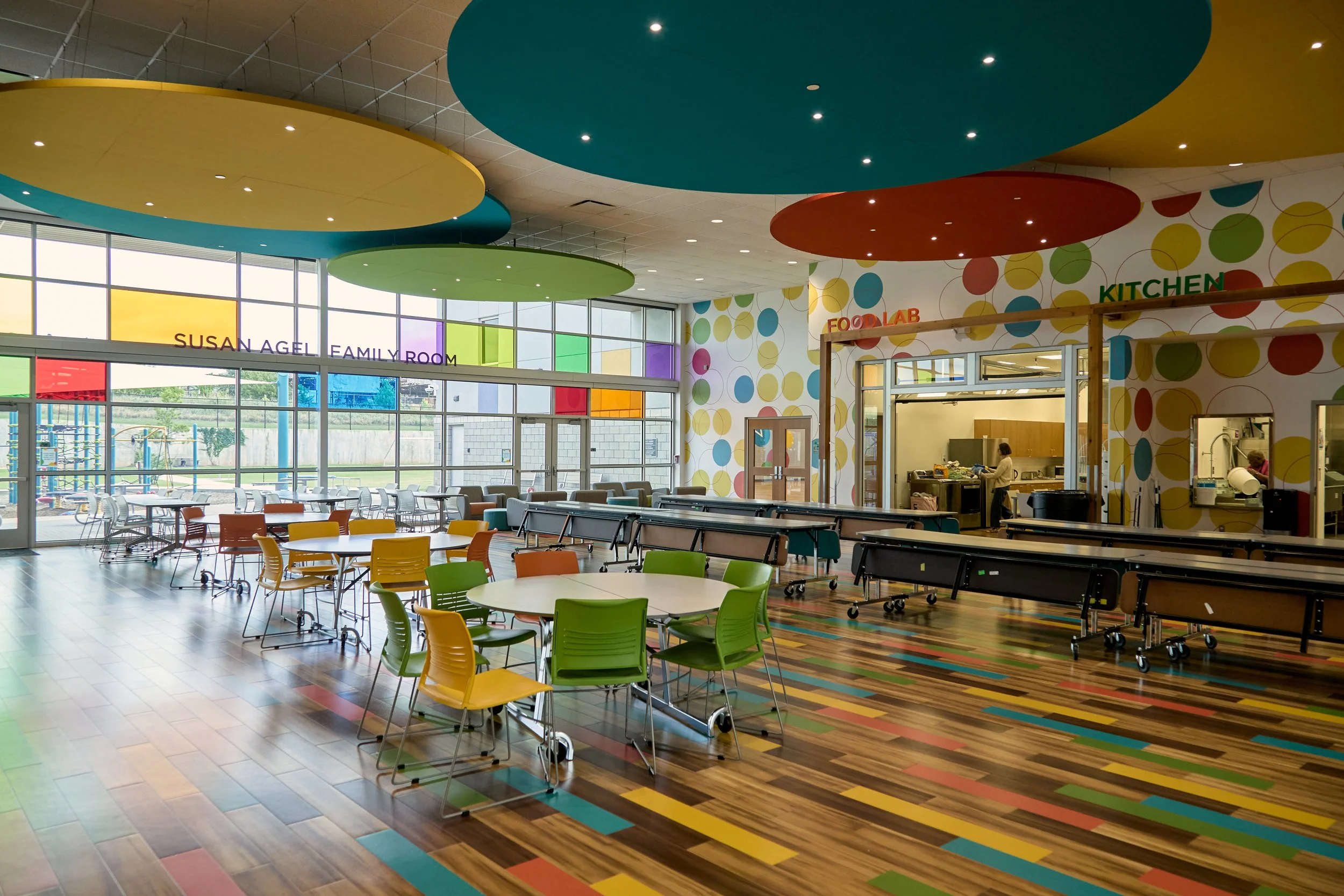
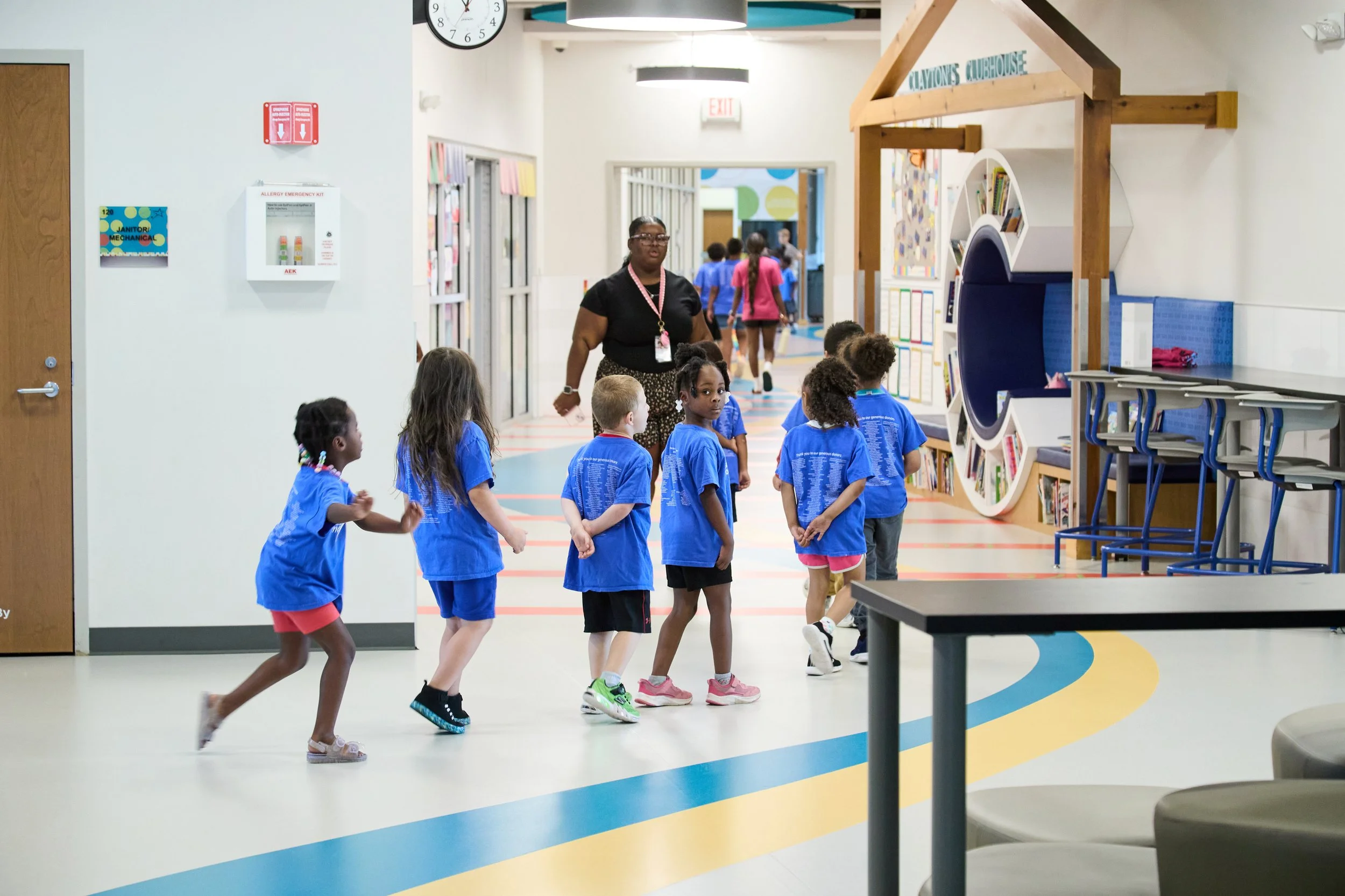
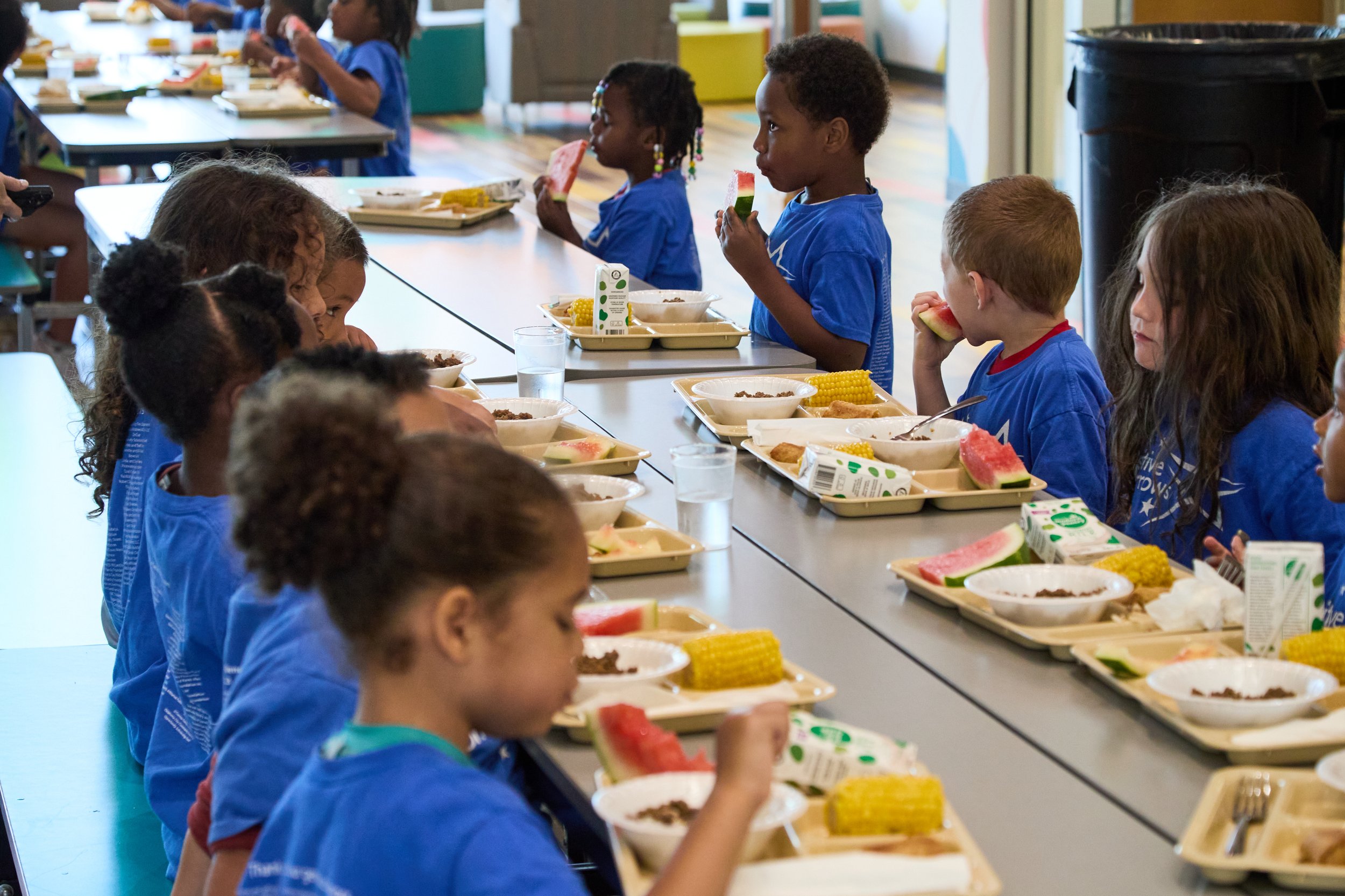
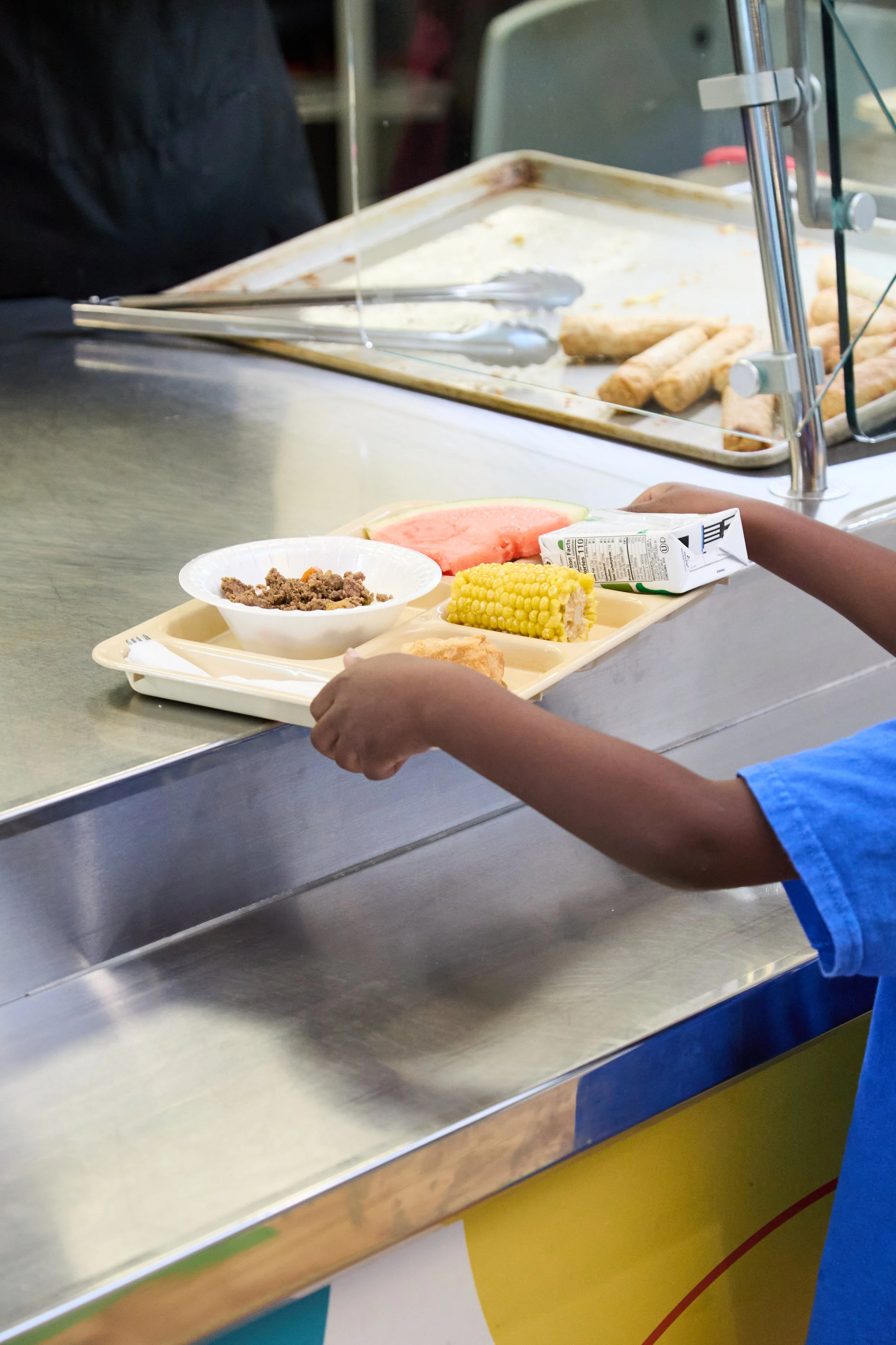
When the kids disembark at the Positive Tomorrows campus, they funnel into a colorful cafeteria space called the “Family Room.” There, they see familiar faces, munch on sausage, eggs, and toast, and hang out before the school day begins.
Positive Tomorrows got its start in 1989 as part of then mayor Ron Norick’s task force on homelessness. It was created to help children without secure housing get the records they need, enroll in local schools, and integrate into the educational system. Since then, Positive Tomorrows has occupied buildings attached to churches and the YMCA before finally, in recent years, raising enough funds to move into its own 42,000-square-foot campus. In the process, it also became a fully functioning, year-round school.
The all-year schedule is, at least in part, designed as a reliable way to ensure that students get two nutritious, protein-rich meals (and a snack) five days per week, without fail. That kind of reliability around food is no small feat, given that many homeless shelters don’t allow residents to store their own groceries, and fresh fruits and vegetables are sometimes inaccessible to unhoused families—either because of the cost or because they have nowhere to prepare them.
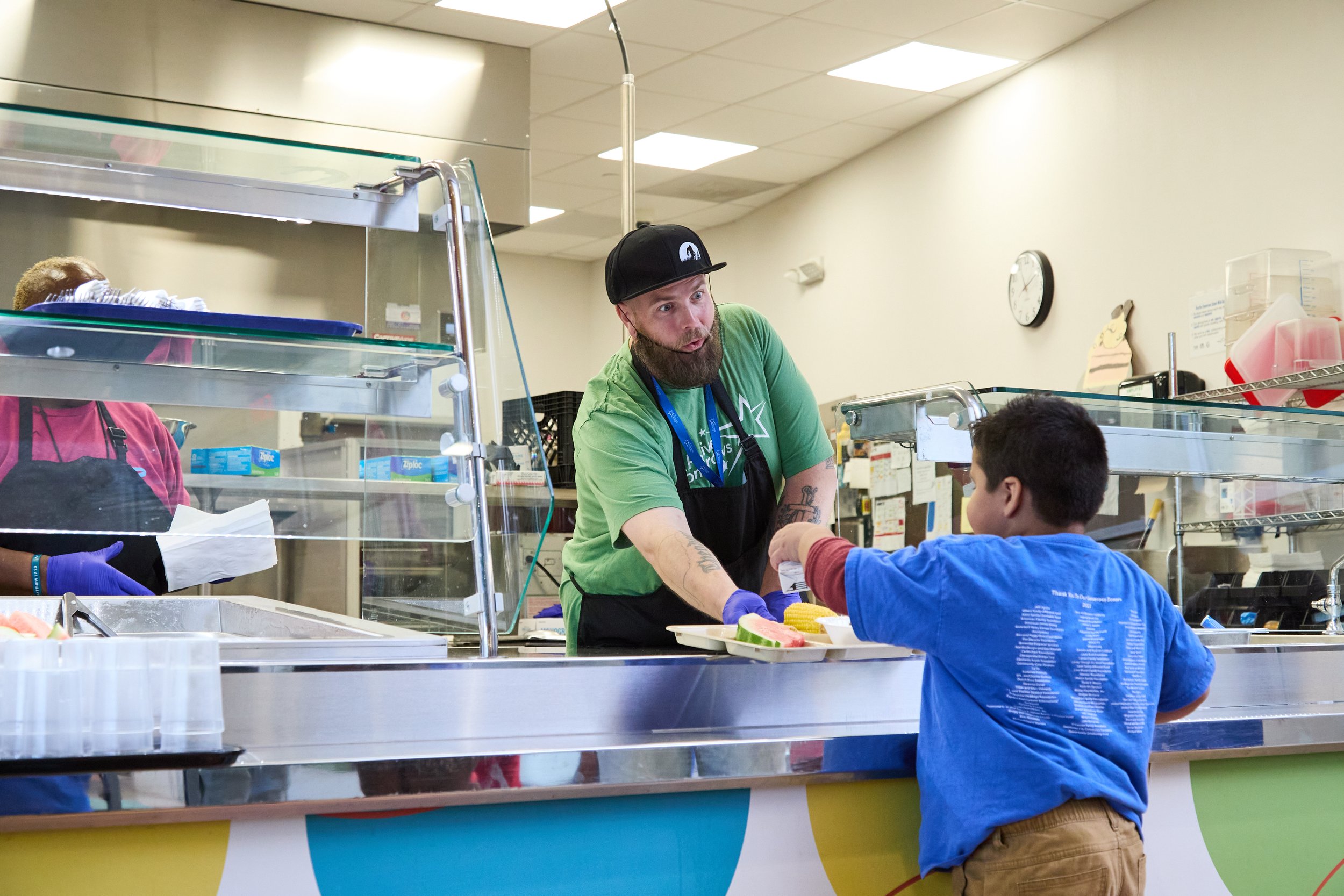
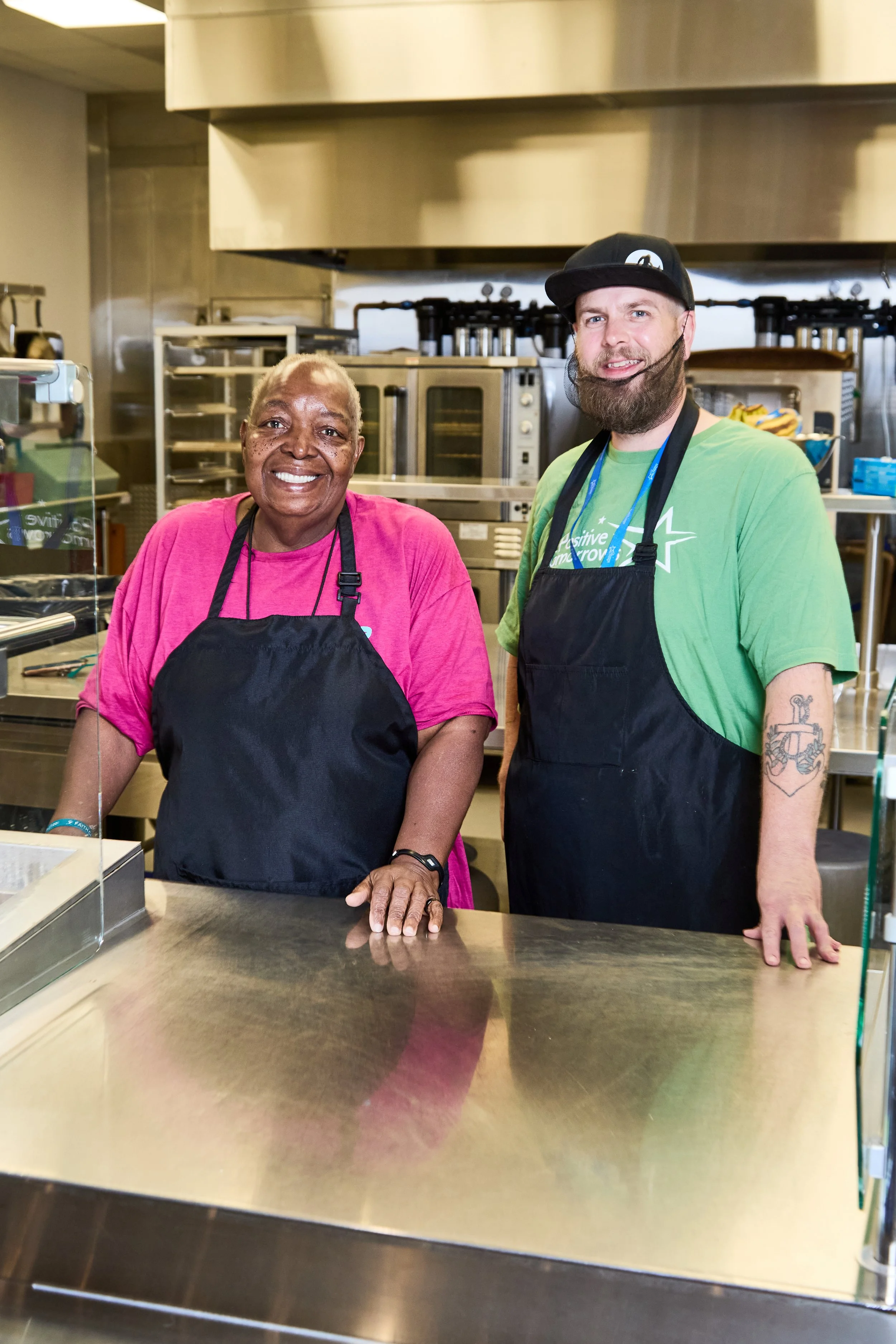
“You can tell that some kids come in hungry in the morning because they’ll arrive and just eat everything they can. Or I’ll notice they’ll be getting sick a lot because they’re not getting the vitamins they need,” said JT Browning, the Kitchen Lead at Positive Tomorrows. About 17% of Oklahomans experience food insecurity, a rate which is sixth-highest in the nation, according to this year’s federal Household Food Security Report. At $7.25 per hour, the state’s minimum wage is also one of the lowest in the country, limiting the purchasing power of many parents. Food deserts—areas without access to fresh, healthful, and affordable food—are a common occurrence in Oklahoma, and are also cited as part of the problem.
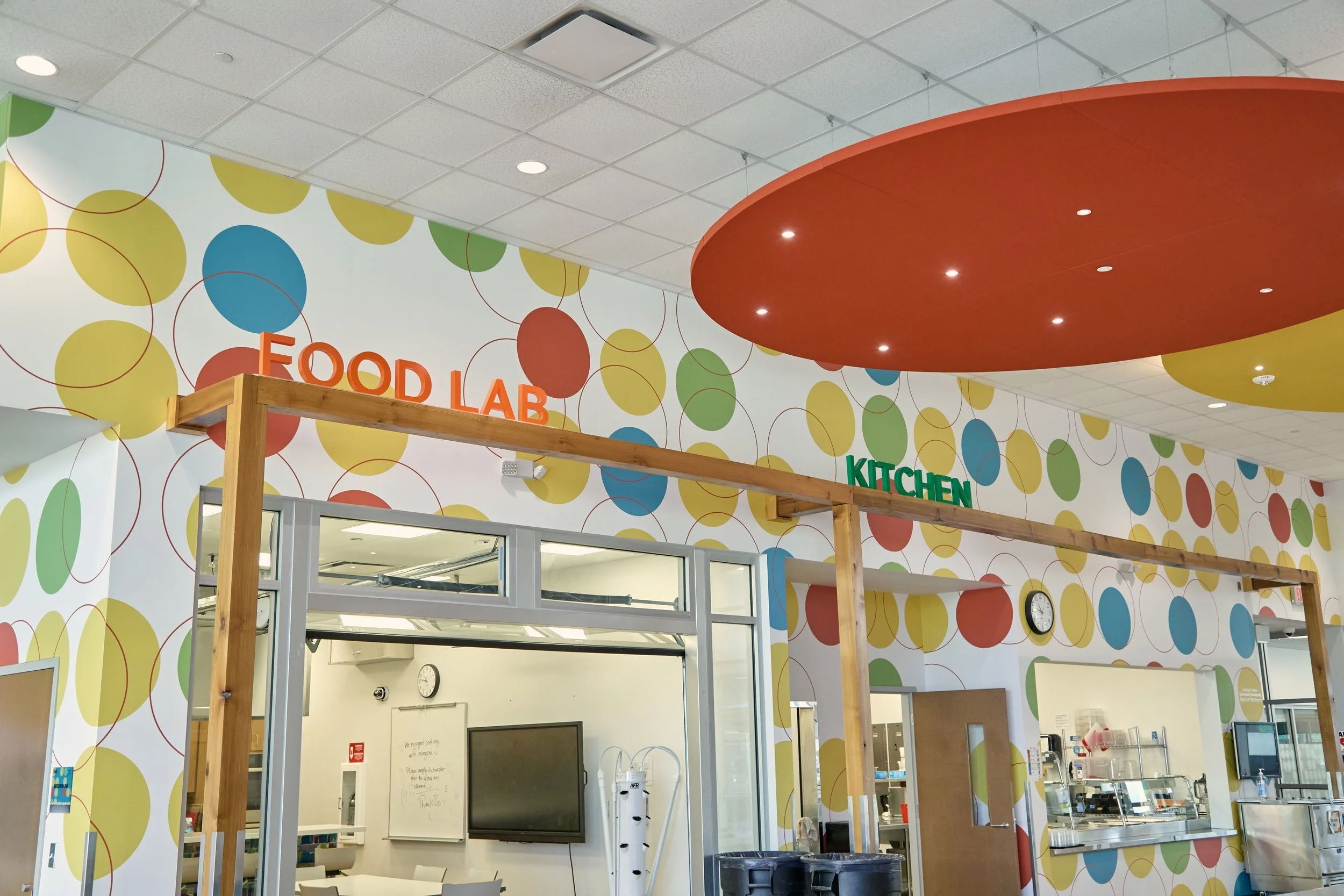
Positive Tomorrows addresses this problem, in part by relying on a patchwork of donated food—often from local farmers—combined with food it purchases. As a result, meals can be varied, creative, and seasonal. The school no longer receives money from the Federal School Lunch program, which gives it more flexibility on matters like the portion sizes it gives students, whether kids can share food with each other, and even whether leftover rice from lunch can be re-purposed for the afternoon snack. The food at Positive Tomorrows is made fresh and in-house rather than prepared off-site, and contains minimal processed ingredients.
But multiple people from Positive Tomorrows said it’s not just about the education or the food; it’s about giving kids with unstable lives more things they can count on, more things that calm their systems enough so they can make friends, learn, and discover what they’re interested in.
“A huge part of my job is just being a kind face and someone they know will be there,” Browning said. The other part, of course, is knowing what the kids will like. Pepperoni pizza and spaghetti are always a big hit, he said. So are nuggets, cheese burgers and hot dogs — especially hot dogs. The kids always get fresh fruits and veggies with their meals, too. But Browning, who got his start in a greasy spoon diner and prides himself on knowing what will please a crowd, also recalls meals that have gone awry.
“When I make beef stroganoff, it doesn’t matter how small I chop the onions and mushrooms, someone inevitably sees them and says ‘Eeeew,’” he said. “We also had a near-riot when I served hummus and carrots for a snack.” A lot of the kids, Browning said, simply haven’t eaten a wide variety of fresh fruits and vegetables before, so even the bright colors can be unsettling at first.
Take, for example, the fresh roasted eggplants and beets he prepared once. “They did not like them … They were farm-fresh and delicious, so it was definitely the color,” he said. “And all grades, all ages, hate peas. I’ve tried every variety. No luck yet. And most of the kiddos do not like tomatoes of any variety.” Alongside the reliable healthy meals made in the in-house kitchen, each child gets treated to a birthday cake; any kind they choose. For some, it’s the first birthday cake they’ve ever had.
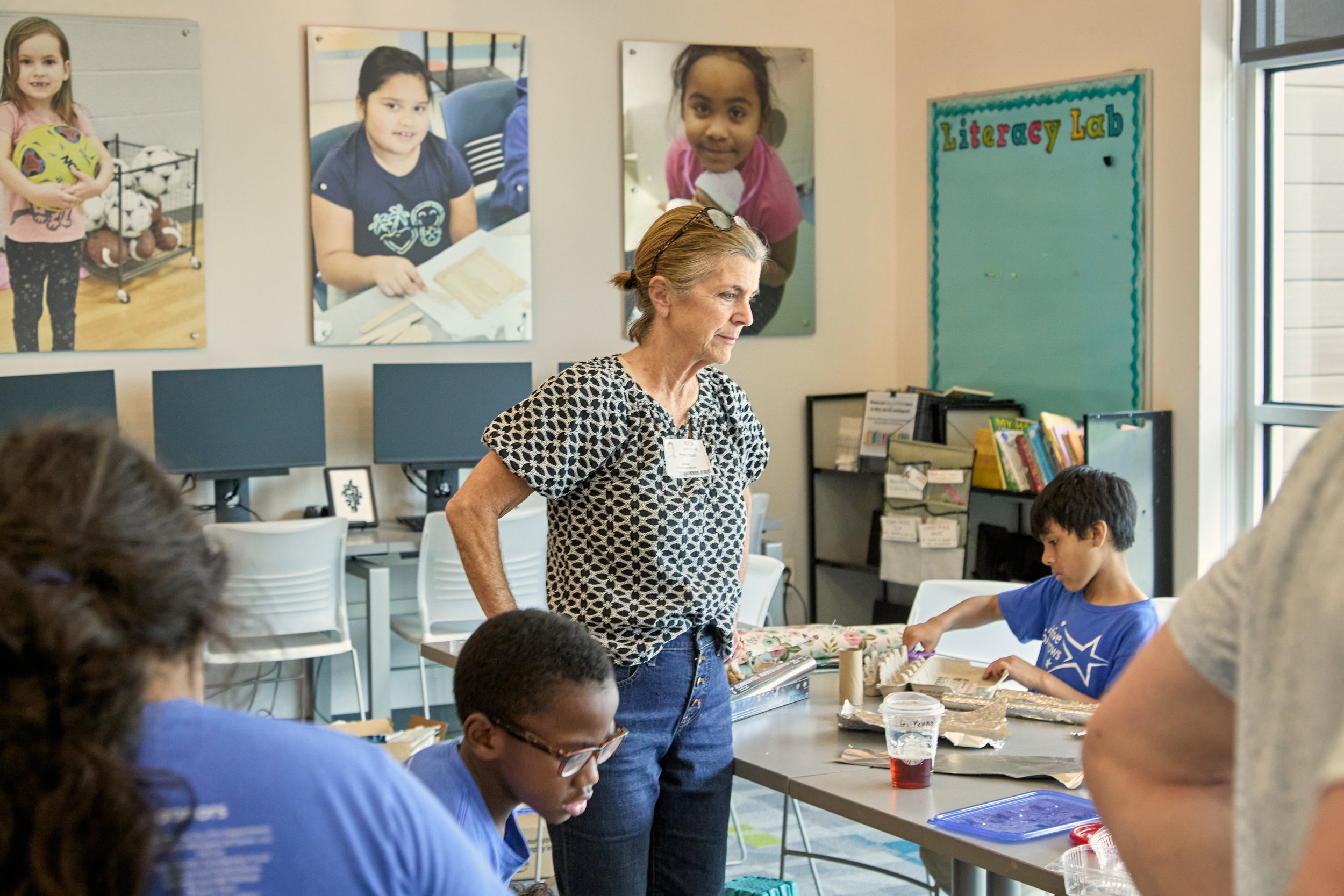
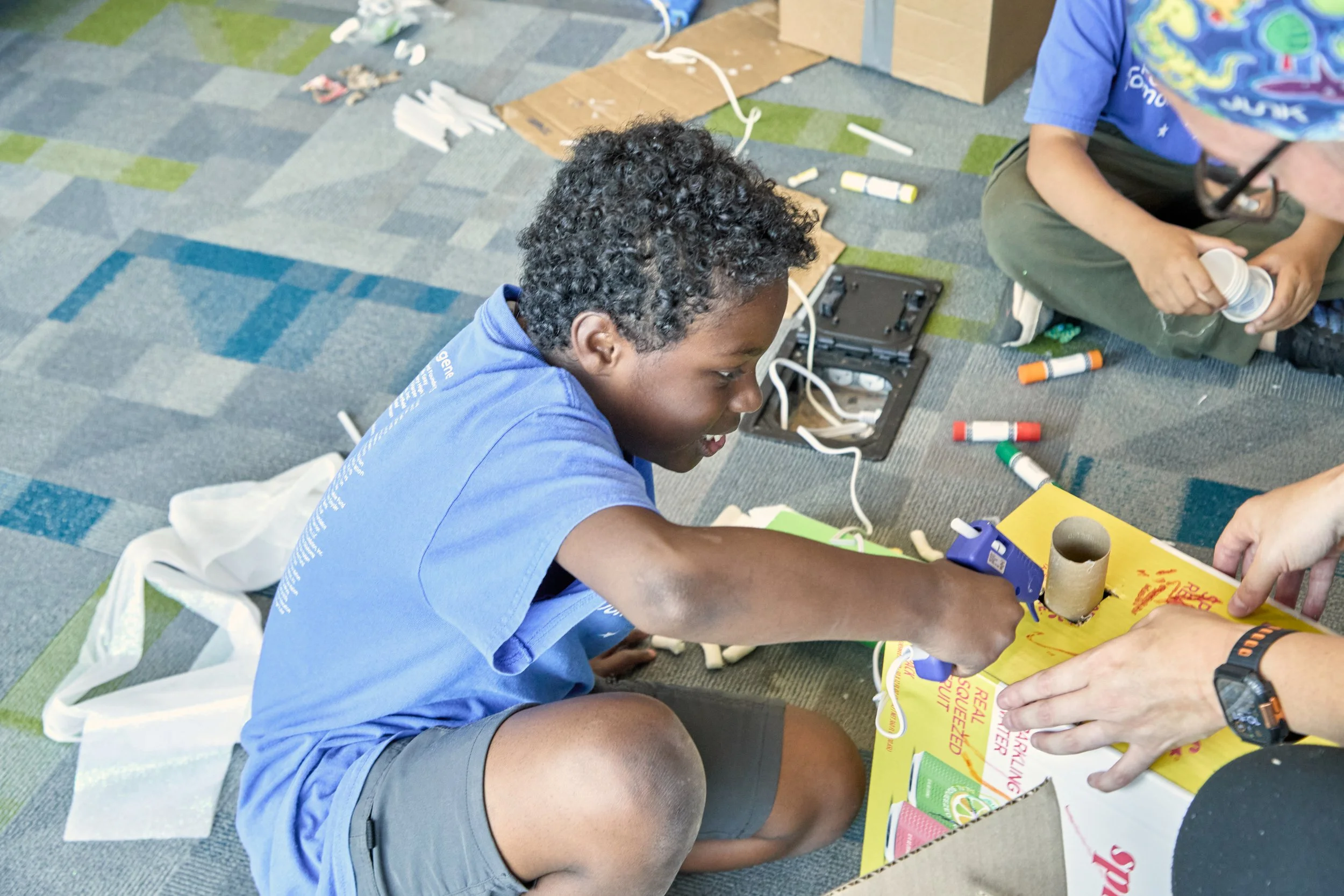
But the experience of food—of having enough of it, trying new kinds, eating more colors, and getting more vitamins—extends beyond the cafeteria and into the classroom as well. Positive Tomorrows has a school garden where kids learn about how things grow, along with cooking classes. “A lot of times that might be where they’re learning to cook outside of preparing ramen noodles,” Browning said. There are also cultural experiences, like a French class that incorporates food as a way to explore other ways of living. And, Browning said, if kids ever come to him outside the normal times and say they’re hungry, he makes sure they’re fed. Positive Tomorrows also sends kids home with weekend food bags and hosts dinners to celebrate Thanksgiving and Christmas.
There’s a lot that stands out about Positive Tomorrows. And along with the homey, healthy food program, there’s a general modus operandi of profound thoughtfulness and the recognition that children experiencing homelessness have just as much potential as all children—and they deserve to have it nurtured. The school features all the regular subjects but also offers music, various sports, and other extracurriculars. As a result, students have the ability to develop gifts and interests that might have gotten lost in the shuffle or been under-served at public schools.
CEO Margaret Creighton told the story of a recent student who was so motivated to learn the piano that she had drawn a keyboard on a piece of paper and was using it to practice. When she became a student at Positive Tomorrows, she gained access to a music program and was given a keyboard. She was eventually able to audition for a charter school with a strong music and dance focus, and was accepted. Connecting that student with a school that reflects her passion and gifts, Creighton said, is a key part of setting her up for success to stay in school and succeed in life afterward.
“That student is invested in that music program, and in that program people know her name and want her to be there,” Creighton said. “And those are huge components of staying in school. It was piano for her, but it’s the STEM program or running track for other kids.”
Students are also exposed to presentations on careers in law, medicine, and journalism, among others, as a way of expanding their sense of what might be possible for them, Creighton said.
“We’ve had classes where we have asked students, ‘What would you like to be when you grow up?’ And the most common answers were ‘I’d like to work at McDonald’s’ or ‘I want to work at Foot Locker,’” Creighton said. “Then we’ve given presentations by adults who work at medical clinics or work as attorneys, and then we’ve asked them the question again. Sometimes, their answers change.” That’s a theme at the school, where nourishment, enrichment, and consistency expand the possibilities for students every day of the week and every week of the year.
Some things, of course, never seem to change. Pancake and maple syrup day is still a favorite breakfast occasion for the students, and one of the least favorite among the teachers and adults who have to clean up sticky tables and desks afterwards. A close second is cinnamon rolls, which students can smell baking as they exit their meandering bus and are greeted by their teachers and friends at the start of the day.